Canada blazes spark misleading claims about financing of firefighting fleets
- Published on July 24, 2026 at 22:57
- 4 min read
- By Manon JACOB, AFP Canada
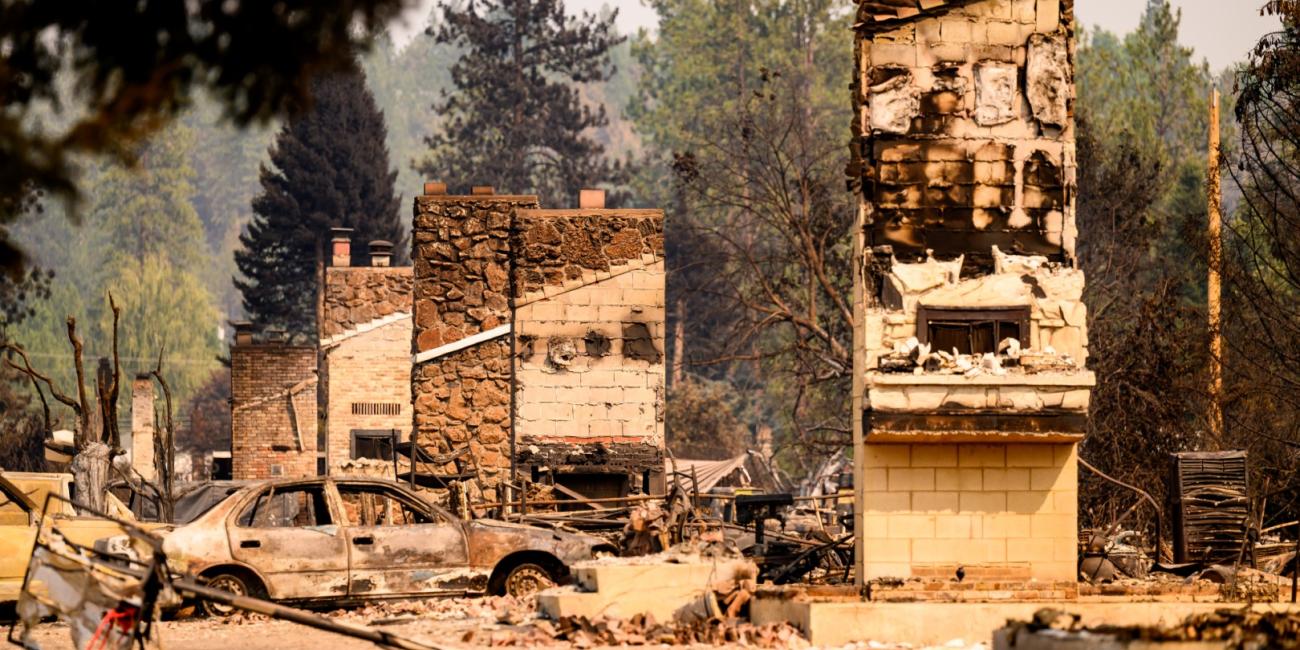
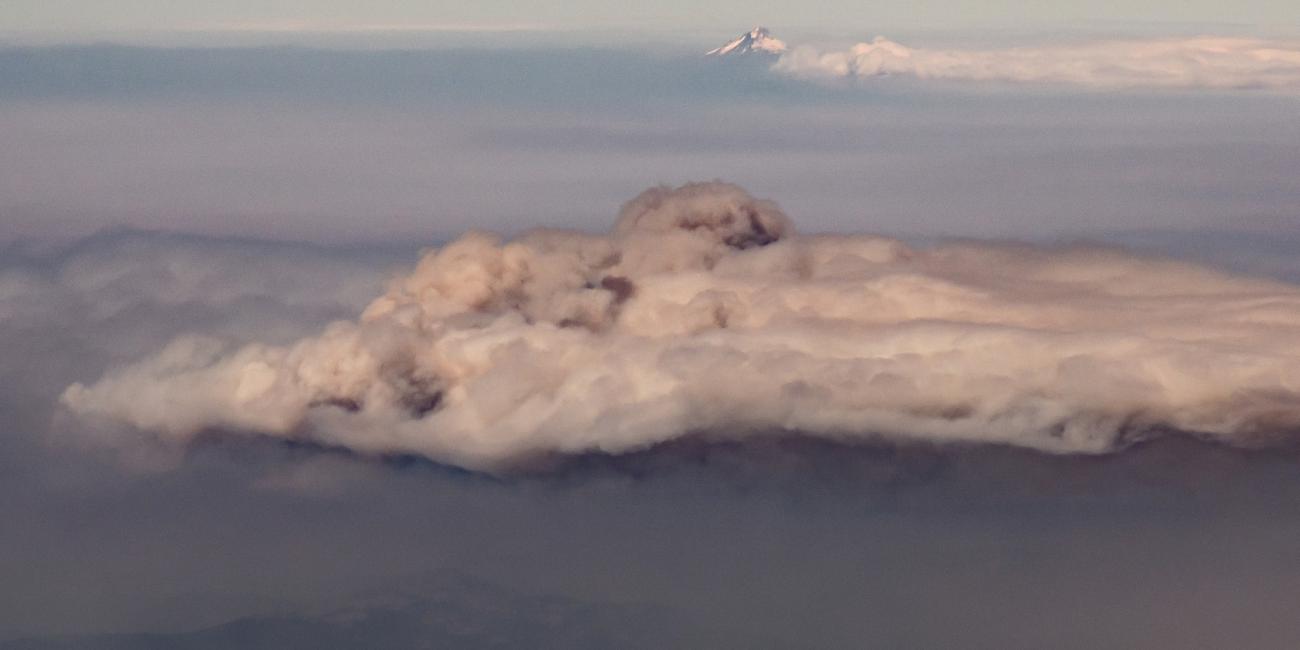
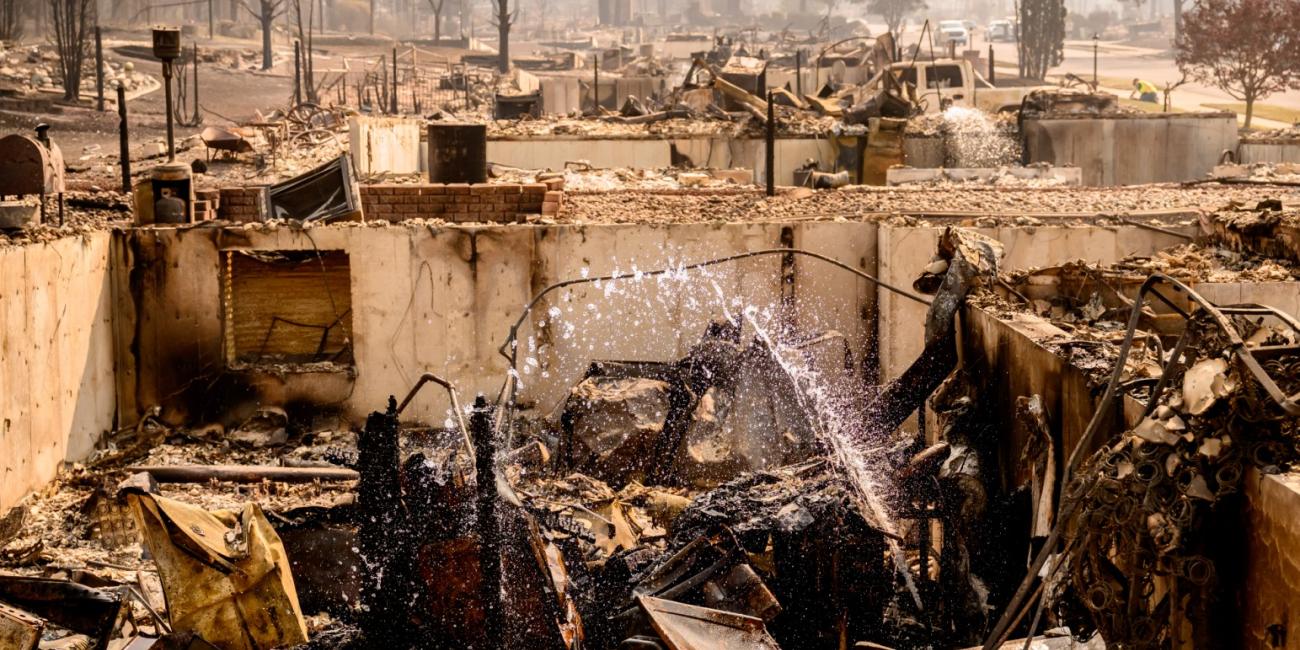
Canada's 2026 wildfire season already scorched an area the size of Belgium, and government critics online have blamed a supposed lack of water bombers, claiming money that could have bought new firefighting aircraft was instead spent as foreign aid for Ukraine. But experts told AFP the comments misconstrue Canada's water-bomber deployment, which is mostly a provincial responsibility involving aircraft sharing between jurisdictions.
"Since 2022, Canada has given over $12B to Ukraine and billions more to CBC to sustain war and climate propaganda," says text inside a July 18, 2026 Facebook post. "However, we've acquired 0 waterbombers, despite claiming wildfire season is worsening."
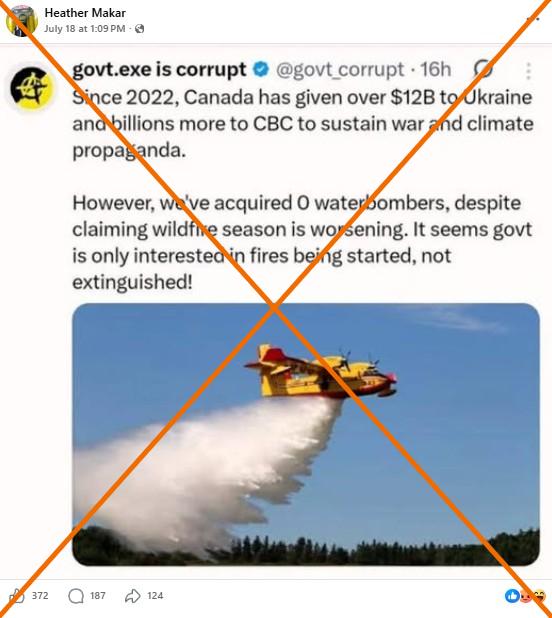
The text originated with a post on X in June 2025, but similar claims reappeared across social media platforms as blazes burned the country's boreal forests in July 2026.
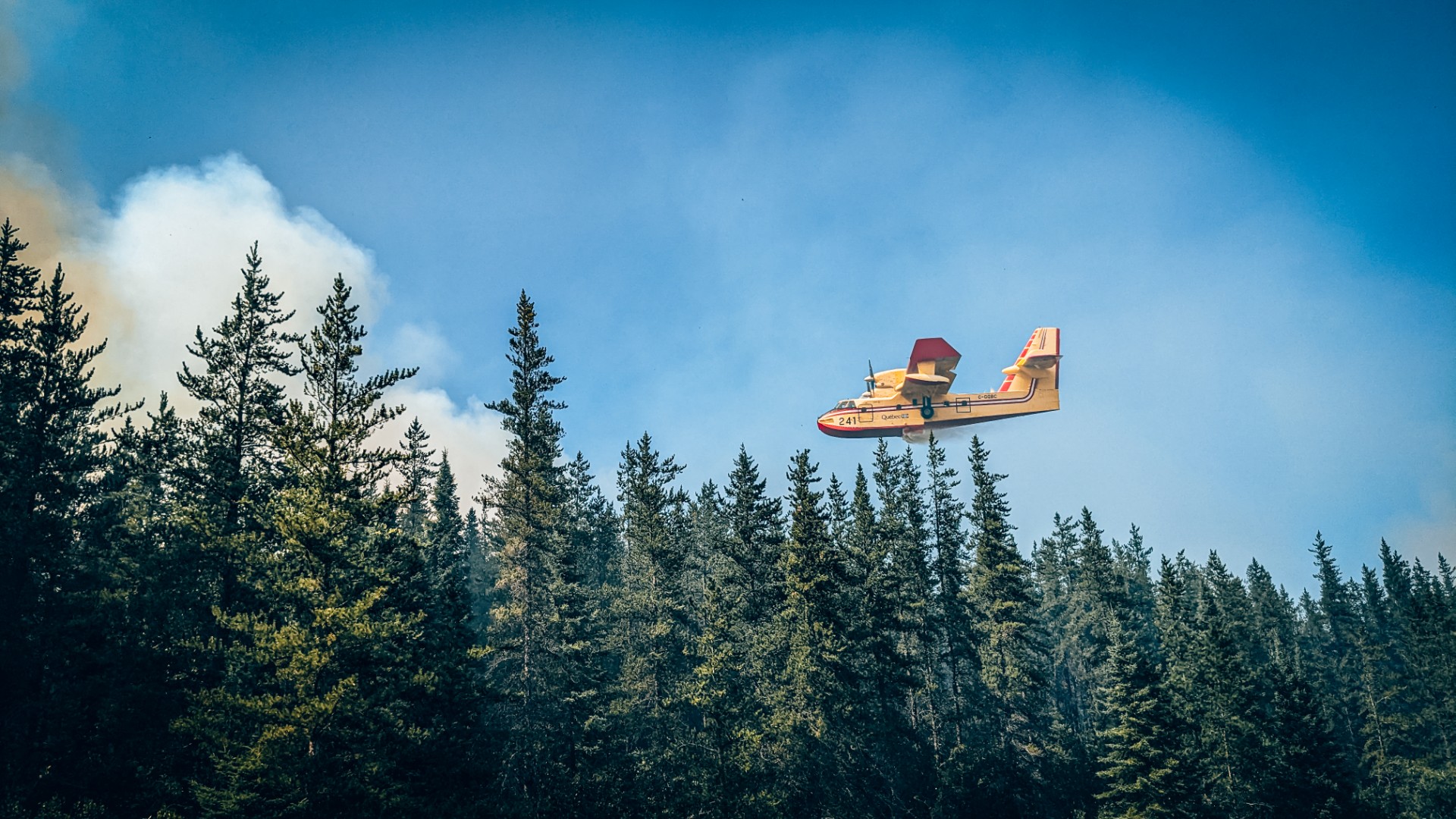
A water bomber is a firefighting aircraft used to dump water or fire retardant above wildfires.
With nearly 1,000 active fires, Prime Minister Mark Carney said July 18 that the 2026 wildfire season was one of the "most intense" in Canada's history (archived here).
Wildfire management has been under scrutiny after reports that Ottawa cut half the positions in its emergency response center. First Nations groups also denounced a lack of communication from Ontario province after a wildfire destroyed one community and forced evacuations.
Canada has committed over $13 billion Canadian dollars in direct financial support to Ukraine, much of which consists of "loan resources disbursed through the Administered Account for Ukraine at the International Monetary Fund" (archived here).
But the posts blaming the Ukraine aid for the roaring fires are misconstrued, experts said.
Foreign assistance is dispensed by the federal government. But to fight wildfires, Canada shares aircraft using a system of interprovincial lending that is supplemented by private companies.
"Whatever amount of money it is that they're being criticized for not putting towards wildfire prevention, it would never have been federal anyway because it's all provincial fleets," said Steffan Watkins, a Canada-based research consultant specializing in tracking ships and planes (archived here).
"Canada hasn't bought any water bombers since 2022," Watkins said. "But the provinces and companies that supply their water bombers have."
Provincial lending
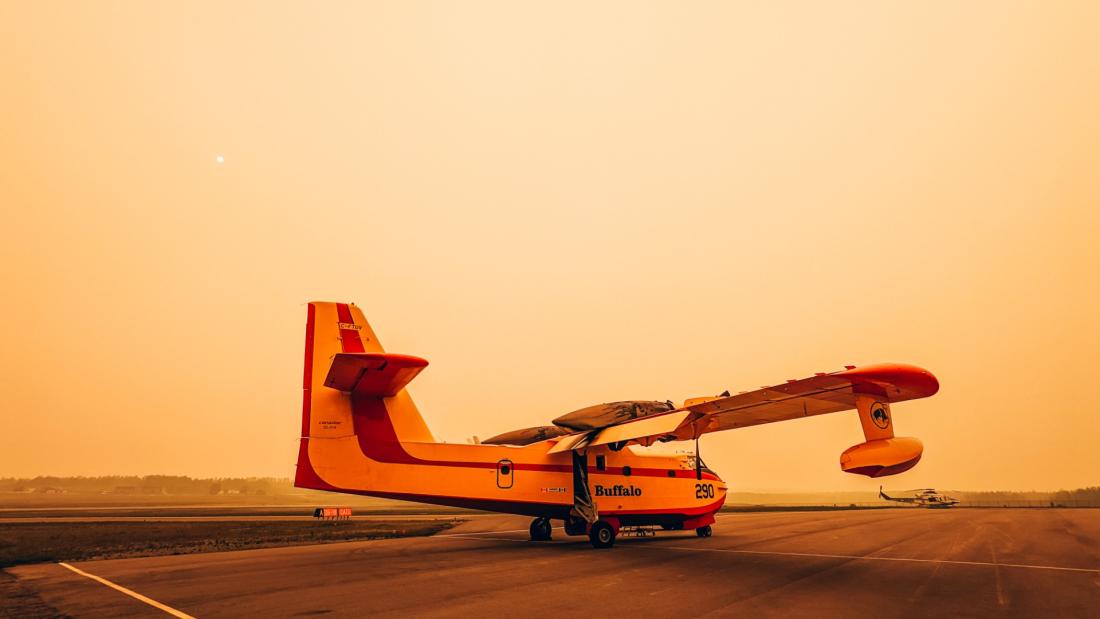
The Canadian Interagency Forest Fire Centre (CIFFC) coordinates the lending of firefighting aircraft. Since provinces and territories manage their own fleets, CIFFC spokeswoman Jade Richardson said the agency lacks nationwide data on the number of water bombers.
However, she pointed out that in 2026, Canada made new investments to support its aerial wildfire response.
"As part of the new Pan-Canadian Aerial Assets Program (PCAAP), CIFFC has leased 10 aircraft to increase Canada's wildfire response capacity," she said in a July 22 email.
In the three months leading up to July, Ernst Mulders, founder of the waterbomber.app tracker, told AFP that 73 distinct firefighting aircraft were active in Canada, including 63 water bombers (archived here and here).
Quebec's Societe De Protection Des Forets, for example, operates a fleet of 14 government-owned water bombers, which spokesman Stéphane Caron said were "fully adequate to meet Quebec's operational needs" and being supplemented by four aircraft from a private company.
James Tinajero, spokesman for Ontario's Ministry of Natural Resources, said in a July 24 email that the province's fire crews include 80 helicopters and water bombers and that it was investing more to expand its firefighting air fleet.
And British Columbia's base fleet consists of 27 fixed-wing aircraft, said Jean Strong, information officer for BC Wildfire Service.
"We also have the ability, as demonstrated already this year, to add capacity to our fleet through mutual aid and contractors when required," she told AFP in a July 23 email.
Strong added that regardless of fleet numbers, the social media claims calling for more water bombers reflect "a larger misunderstanding from some about how wildfires are fought."
"While valuable, our tankers and skimmers have limits," she said. "The main purpose of aircraft is to support the work of ground crews."
Watkins, the research consultant, concurred: "Just throwing an extra dozen planes at (the situation) wouldn't necessarily help if the ground crews aren't deployed."
Recent fleet changes
In March 2022, the aviation company De Havilland Canada announced it was revamping its water bomber production, with the first series of orders coming from several European countries (archived here).
Since the announcement, Alberta, Manitoba and Ontario provinces also signed contracts for the same aircraft (archived here and here).
Security analyst Jon Cassels told AFP in a July 22 interview that these water bombers are not expected before the early 2030s, however.
"Even accounting for existing commitments, that implies a pathway to expanding Canada's firefighting capacity within a few years," Cassels noted in a blog post about Canada's fleet management (archived here).
A cheaper, faster alternative for fleet developments is converting existing, retired planes into water bombers, which Canada has been doing for years, experts said.
Read more of AFP's reporting on misinformation about the 2026 Canadian wildfires.
Copyright © AFP 2017-2026. Any commercial use of this content requires a subscription. Click here to find out more.
Is there content that you would like AFP to fact-check? Get in touch.
Contact us