Posts exaggerate use of herbal treatment for wildfire smoke exposure
- Published on August 7, 2026 at 18:59
- 3 min read
- By AFP USA, AFP Canada
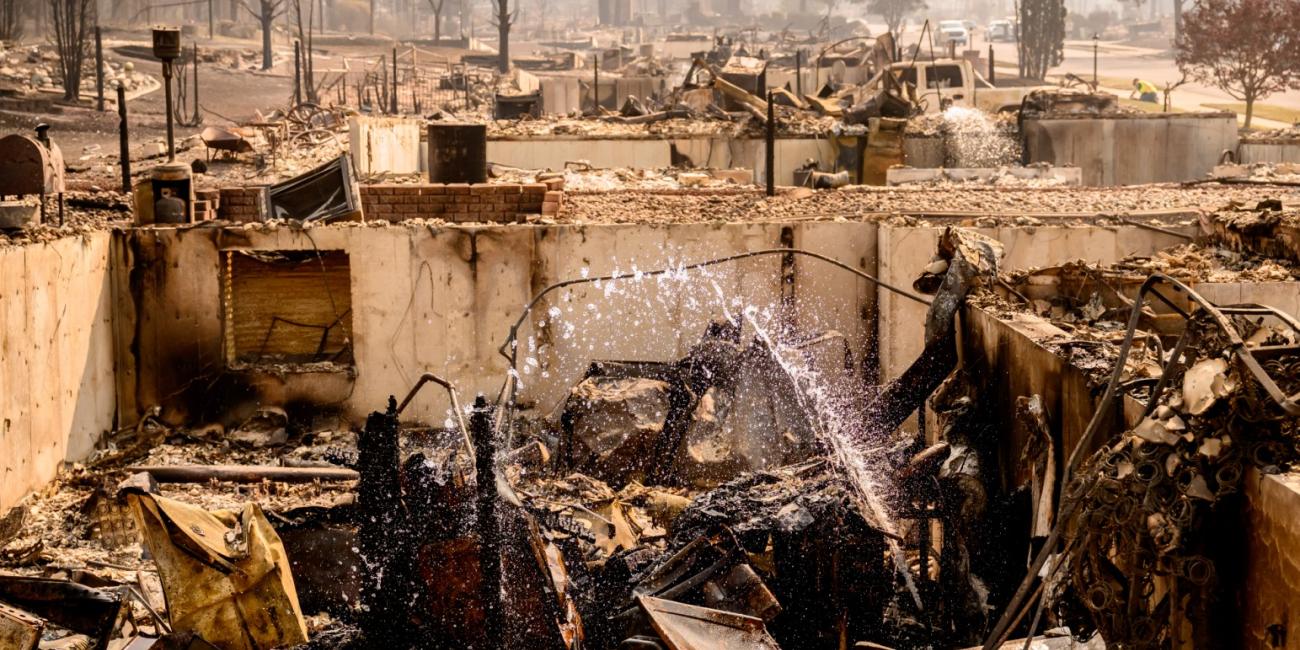
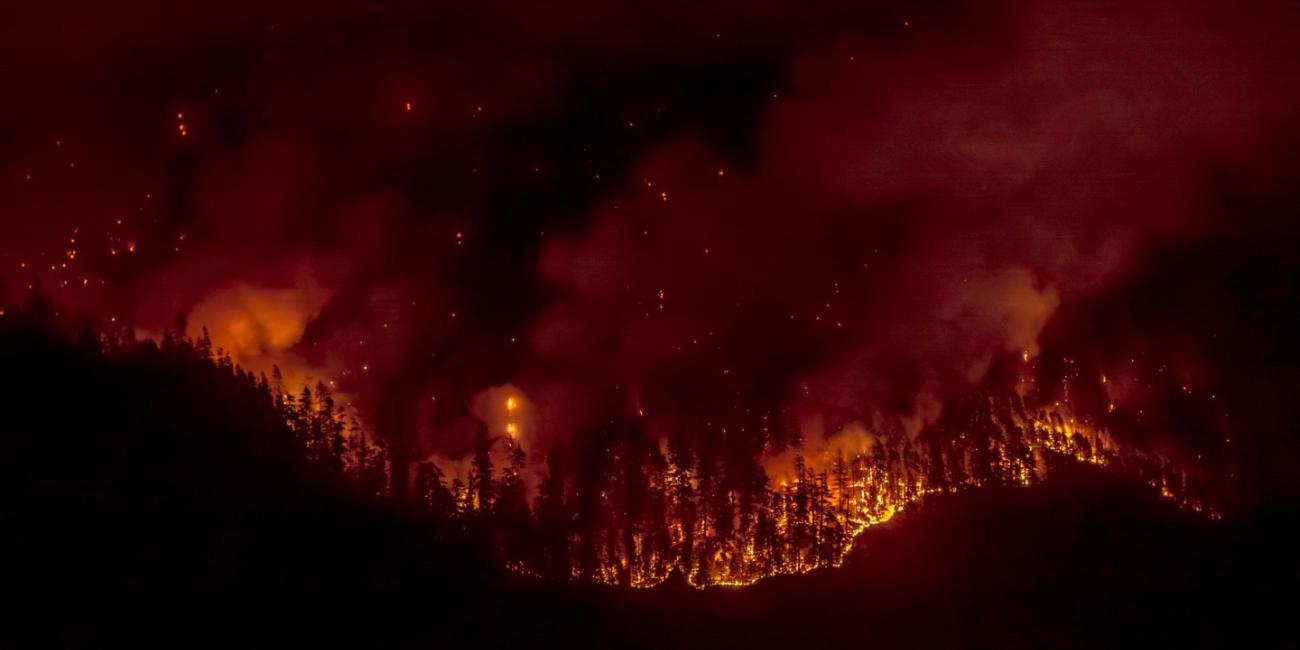
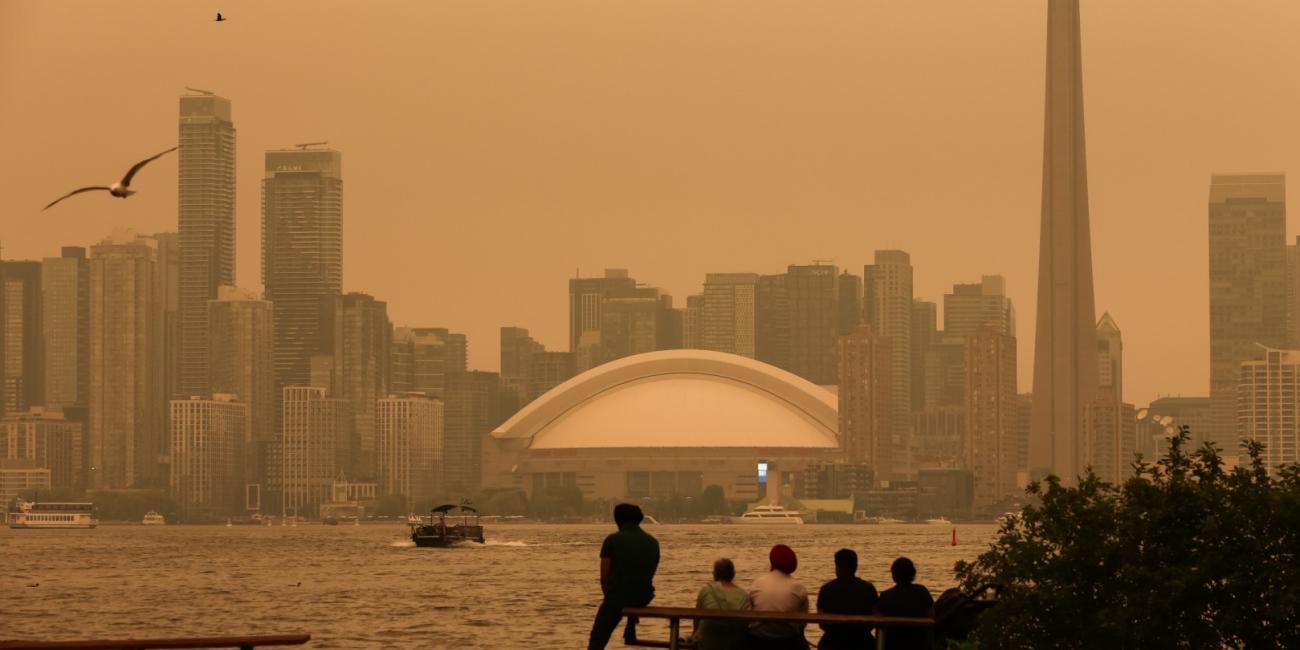
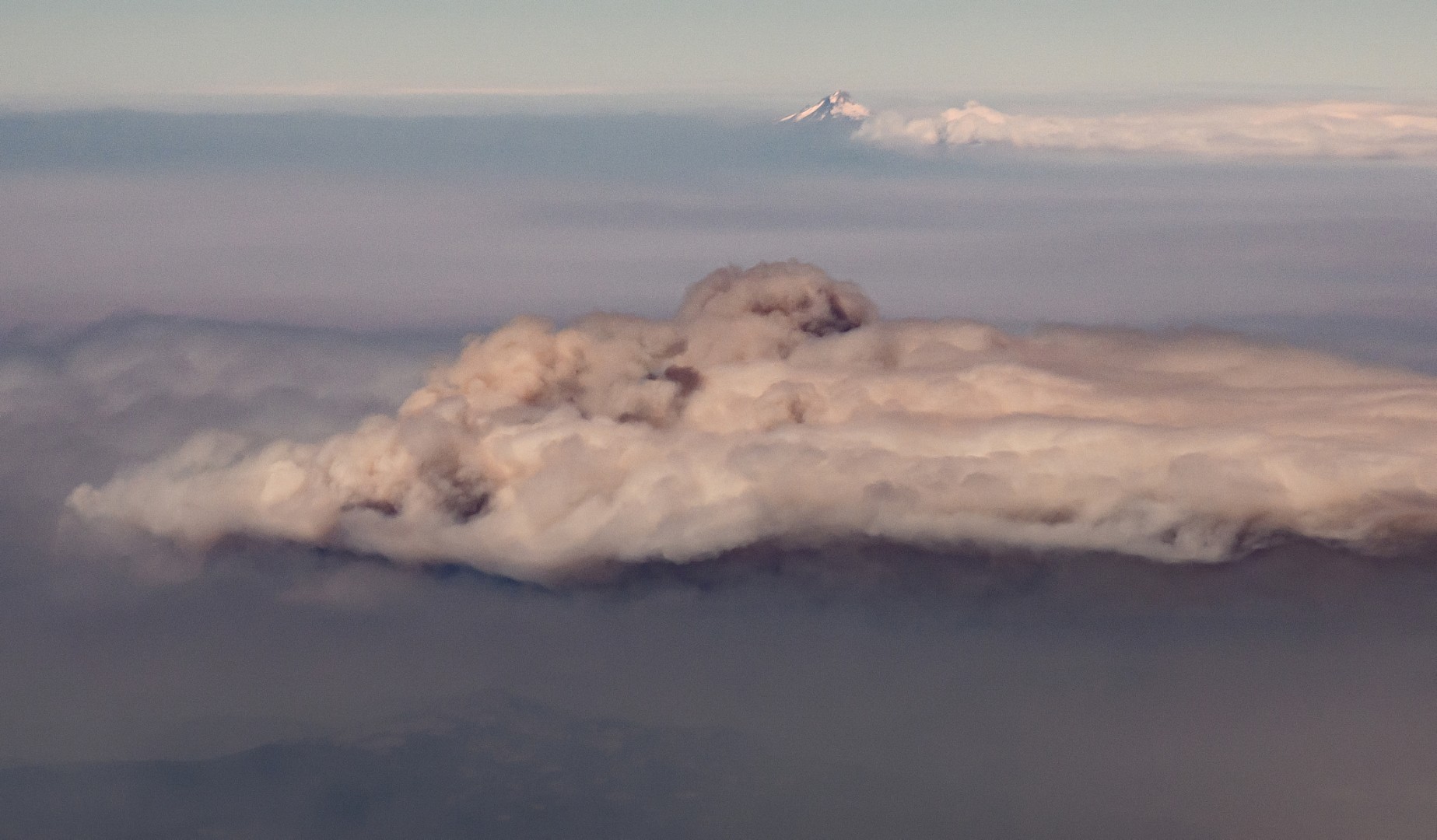
Wildfires supercharged by drought and intense heat tore through several Canadian provinces before reaching the US state of Washington in 2026, resulting in residents being urged to stay indoors due to hazardous air quality. As the blazes raged, promotions for lung treatments using medicinal herbs including mullein -- a common weed -- reverberated across social media. However, doctors told AFP that there is no evidence it can be used to treat respiratory conditions caused by the smoke, and suggested people contact their primary physician for medical advice when exposed.
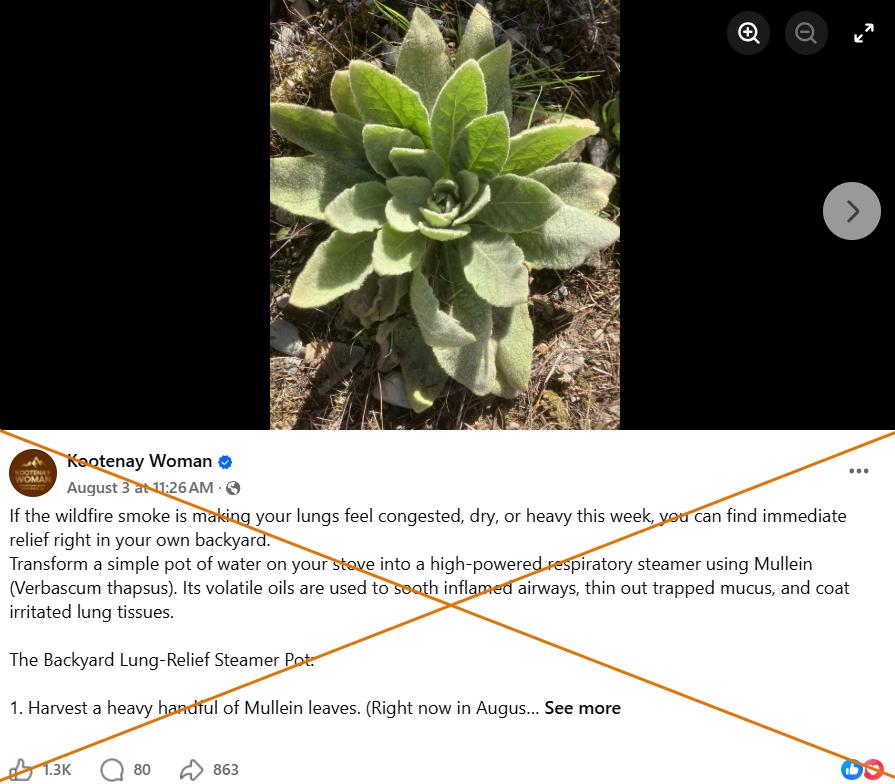
"If the wildfire smoke is making your lungs feel congested, dry, or heavy this week, you can find immediate relief right in your own backyard," an August 3, 2026 Facebook post claims, as intense fires ravaged more than 10,000 acres of land in the Spokane area of Washington state.
On TikTok, a similar post encourages viewers to: "Protect your lungs with mullein leaf during wildfire season."
Affiliate links inviting users to purchase mullein leaf drops were shared in some posts, as well as recipes including the weed.
Lack of scientific evidence
Mullein, an invasive weed widely found throughout the American West, is reported to have some anti-inflammatory properties (archived links here, here and here).
"Mullein is an herb that's been used for a long time in traditional or folk medicine, where it's considered to have anti-inflammatory and expectorant -- something that helps people cough up mucus -- qualities," said Tianshi Wu, an assistant professor at Baylor College of Medicine in Houston, Texas (archived here).
Wu, however, said in an August 6 email that no scientific studies have shown the herb has any beneficial effect on the lungs when consumed.
"So claims of medical benefit such as 'healing' are not supported. Fortunately, there is no evidence that mullein has significant toxicity either," he told AFP.
Erika Mosesón, a pulmonologist with the non-profit health system, Legacy Medical Group, agreed there was no scientific evidence to support the claim that the weed could be used to heal lung damage (archived here).
She highlighted that the overall "lack of control of the substance in question and its preparations" makes it complex to gather data in Western medicine.
For those who wish to consume mullein, she said in an August 6 email that "in general, eating or drinking" it is preferred "since the lungs have far less protection from potential toxicities of inhalation."
Mosesón told AFP that she does not have sufficient information to either recommend or discourage the consumption of the plant to her patients, but she said that some patients with airway diseases -- including asthma -- had reported "significant relief" from drinking mullein tea.
Both doctors agreed that the best course of action to protect against lung damage remains to limit exposure to smoke by staying indoors in well-ventilated spaces and also use air purifiers (archived here).
"I always recommend people have a primary care physician and reach out first to them for the best options for their health," Mosesón concluded.
Health concerns
Additionally, medical experts agree that inhaling wildfire smoke has negative effects on the body that go way beyond damage to the lungs (archived here).
In extreme cases, for instance, it can trigger cardiovascular complications (archived here).
"People who I typically worry about, as a pulmonologist, are people with lung disease, but also with heart disease who are particularly sensitive to poor air quality," Robert Tighe, an associate professor at Duke University School of Medicine (archived here), told AFP in a July 17 phone interview as pollution drifted south from Canadian wildfires, suffocating major US cities with hazardous breathing conditions several days in a row.
"Young kids and old adults are also particularly vulnerable," he said, with a combination of effects, "from shortness of breath and coughing and headaches to even abnormal heart rhythms."
Fires are becoming more frequent and ferocious as human activities and climate change drive warmer conditions and more frequent droughts (archived here).
Global deaths linked to wildfire smoke could rise sixfold to 1.4 million people a year by 2100 even with moderate levels of global warming.
AFP has investigated other purported lung detox recipes advertised on social media in the past. Additional wildfire fact-checks are available here.
Copyright © AFP 2017-2026. Any commercial use of this content requires a subscription. Click here to find out more.
Is there content that you would like AFP to fact-check? Get in touch.
Contact us