Canadian wildfires supercharged by climate, not directed energy weapons
- Published on July 22, 2026 at 22:52
- Updated on July 23, 2026 at 23:15
- 3 min read
- By AFP Canada
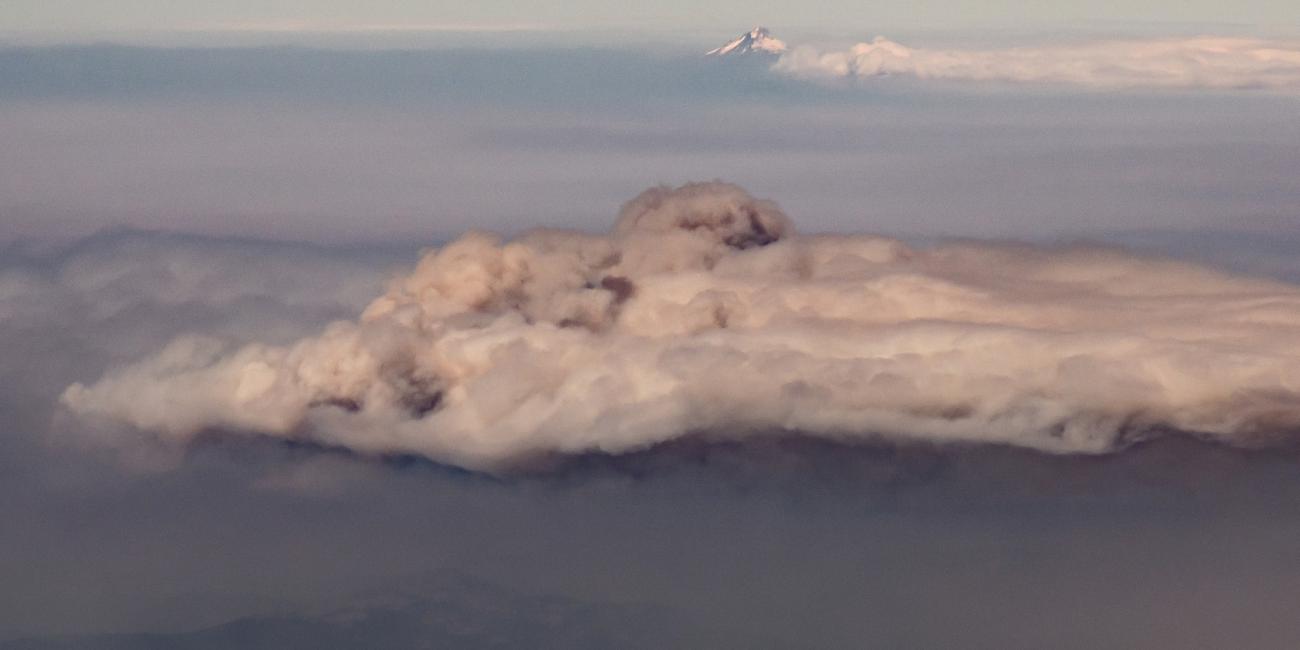
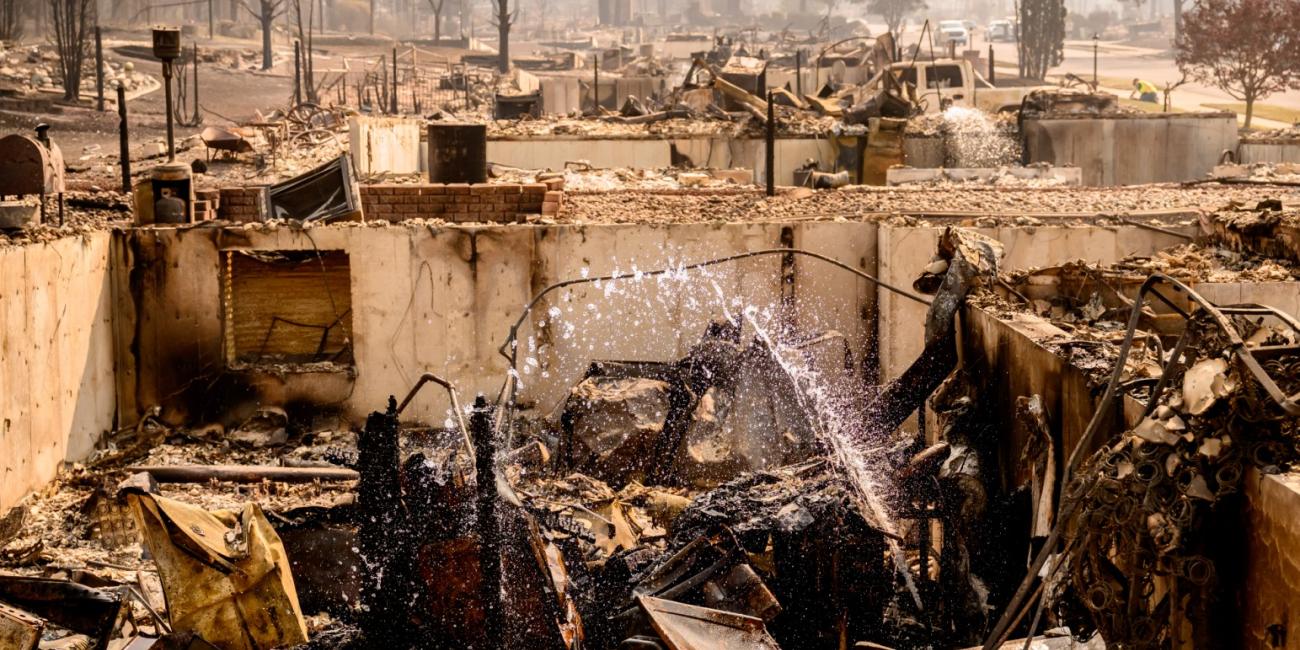
Canada is facing one of its most intense fire seasons on record but claims that the 2026 blazes were manufactured to exacerbate the severity of climate change in the country are unfounded. Scientists say the events unfolding in Canadian boreal forests are linked to seasonal increases in high temperatures and dry weather, not "directed energy weapons" or other conspiratorial plots.
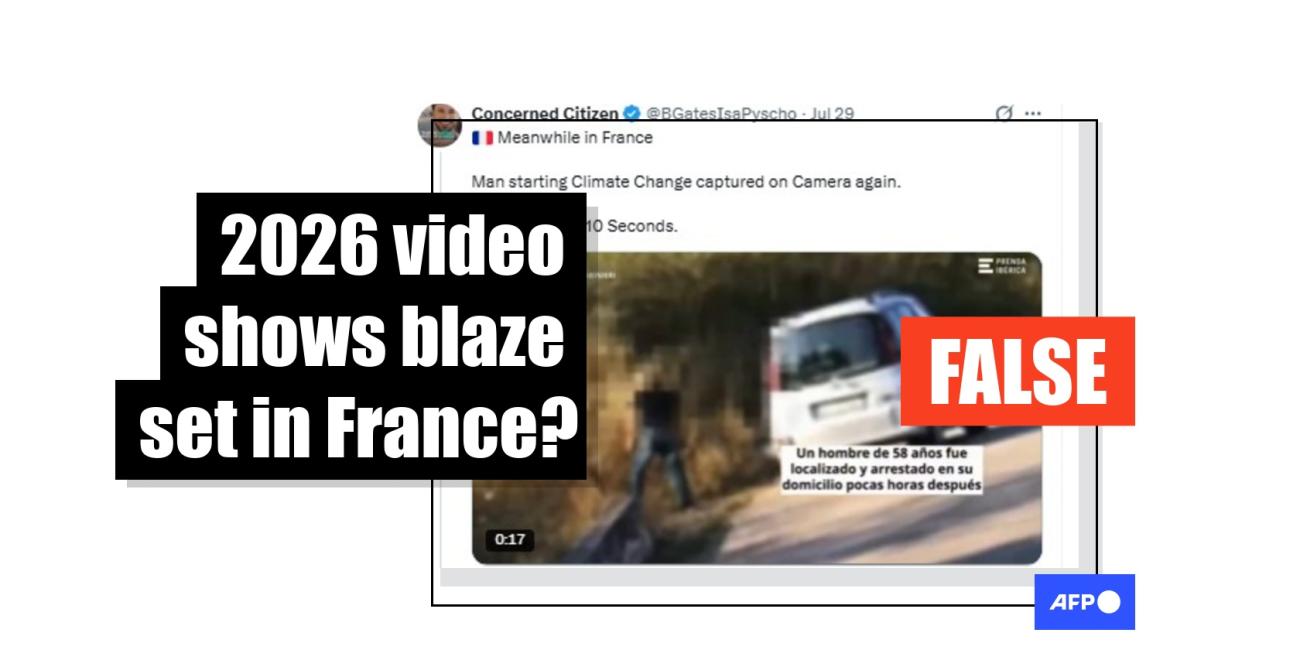
"'Climate change' is actually weather manipulation. And all these forest fires are far from natural," the caption of a July 16, 2026 reel on Instagram claimed.
"If you think that these forest fires that are happening in Northern Ontario right now are organic... Then you are exactly where they want you to be," says "Sheldon Surya," a content creator previously fact-checked by AFP.
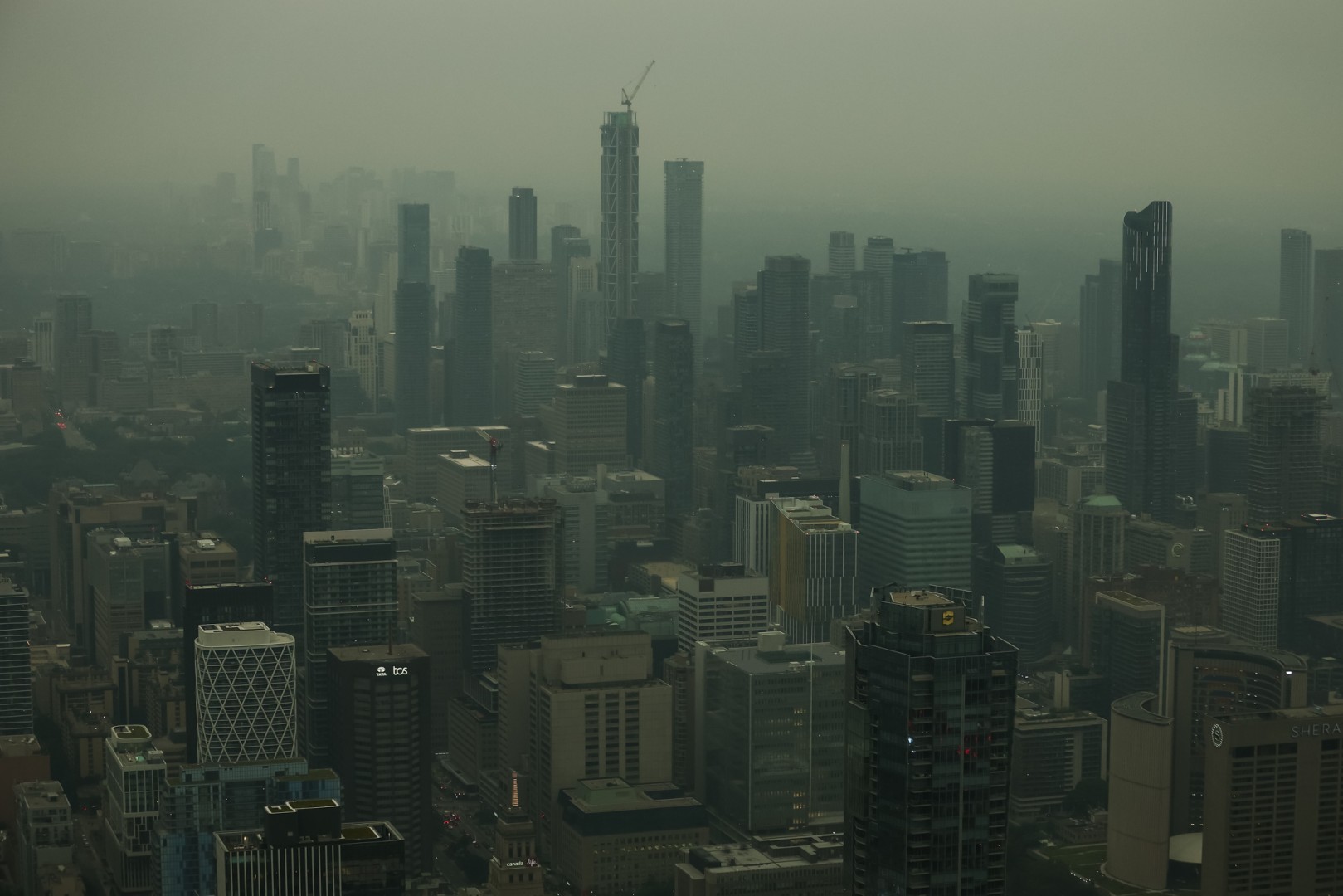
The clip mixes 2023 footage of volunteer wildfire fighters in a remote area of Quebec with recent images from Ontario province, where fires have forced mass evacuations and spread smoke across parts of the United States.
His conspiracy-driven content racked up millions of views in July by claiming Ontario's roaring blazes stemmed from "directed energy weapons" or DEW, a reference to electromagnetic energy technology -- such as lasers -- being developed to destroy targets including drones or vehicles (archived here).

Other accounts reposted the claim on Facebook as Canada reported nearly 1,000 active blazes and an area as large as Belgium already burned.
But there is no evidence DEWs were used to ignite Canadian forest, despite the experimental weapons frequently being at the center of conspiratorial narratives around weather events.
Canada's Department of National Defence previously told AFP the Canadian Armed Forces do not operate DEWs.
Defence Research and Development Canada does conduct testing and experimentation on laser systems, but experts say such weapons require a tremendous amount of power and an aircraft that could accommodate such a large power source would be highly visible if used to start a fire.
Higher temperatures due to human emissions have likely extended fire seasons and their coverage over the last couple of decades in Canada (archived here and here). Scientists agree that hotter weather and moisture deficits result in greater fire activity (archived here).
Weather and climate
The claims made online "are not based on facts and the explanation is much simpler and rooted in the weather," Michael Gollner, an associate professor who researches fire dynamics at the University of California, Berkeley, told AFP in a July 21 email (archived here).
"Large fires have always occurred in the boreal forests of Canada. Tall conifers provide immense fuel once the weather conditions are right," he said (archived here).
This includes "hot, dry, windy conditions" -- recently experienced in Canada -- as well as storms producing lightning strikes (archived here).
The non-profit organization Canada Wildfire found lightning sparks just under half of the nation's fires and is responsible for "over 81 percent of the area burned" (archived here).
Anabela Bonada, managing director at the Intact Centre on Climate Adaptation at the University of Waterloo, Ontario, agreed that the claims were not based in any "credible evidence that the current wildfire situation is being manufactured" (archived here).
"Climate change does not ignite every fire," Bonada said in a July 21 email, "but it increasingly loads the conditions in favour of more severe fire activity."
Climatologist Zeke Hausfather noted in a July 17 blog piece that Canada's boreal forest "burns catastrophically under extreme weather" (archived here and here).
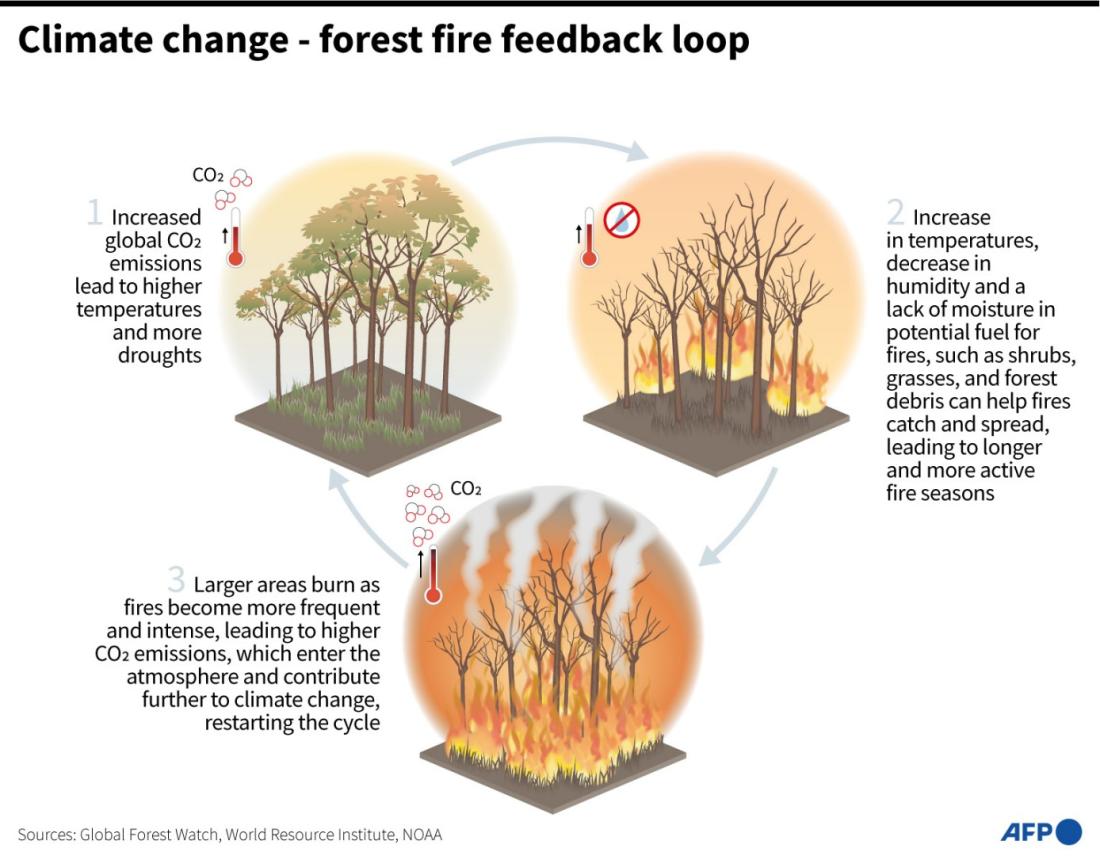
While climate change supercharges North American fires, human activities often start them.
Human-caused wildfires can be accidental, intentional, or from an act of negligence such as improperly tended campfires, power line failures or carelessly discarded cigarettes.
AFP has debunked other misinformation about wildfires and climate change.
This article was updated to add metadata.July 23, 2026 This article was updated to add metadata.
Copyright © AFP 2017-2026. Any commercial use of this content requires a subscription. Click here to find out more.
Is there content that you would like AFP to fact-check? Get in touch.
Contact us