No evidence smart meters caused Spokane fires
- Published on August 13, 2026 at 22:34
- 3 min read
- By Stevie ROSENFELD, AFP USA
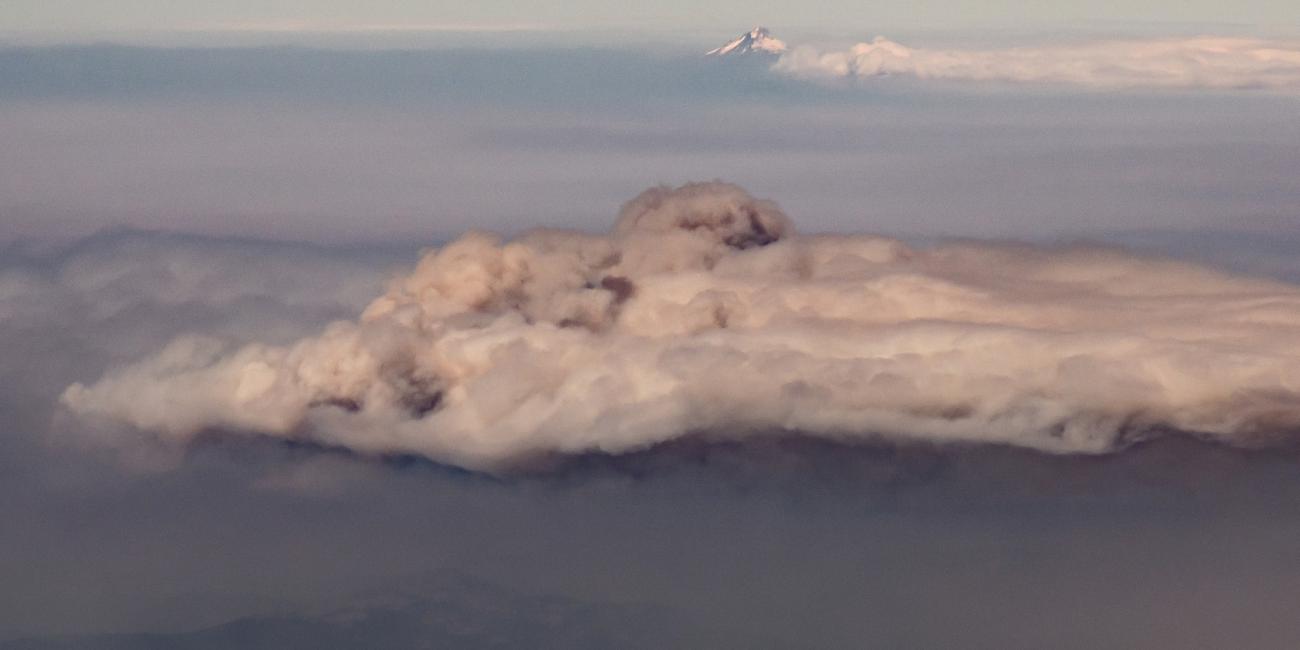
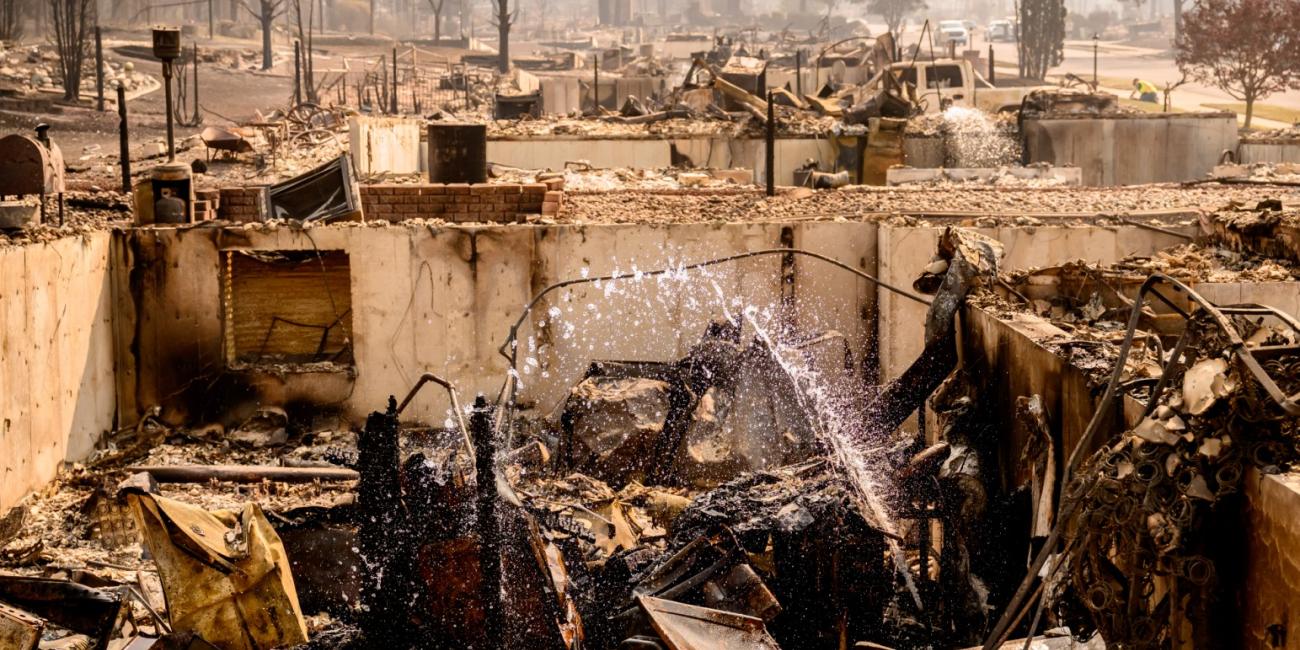
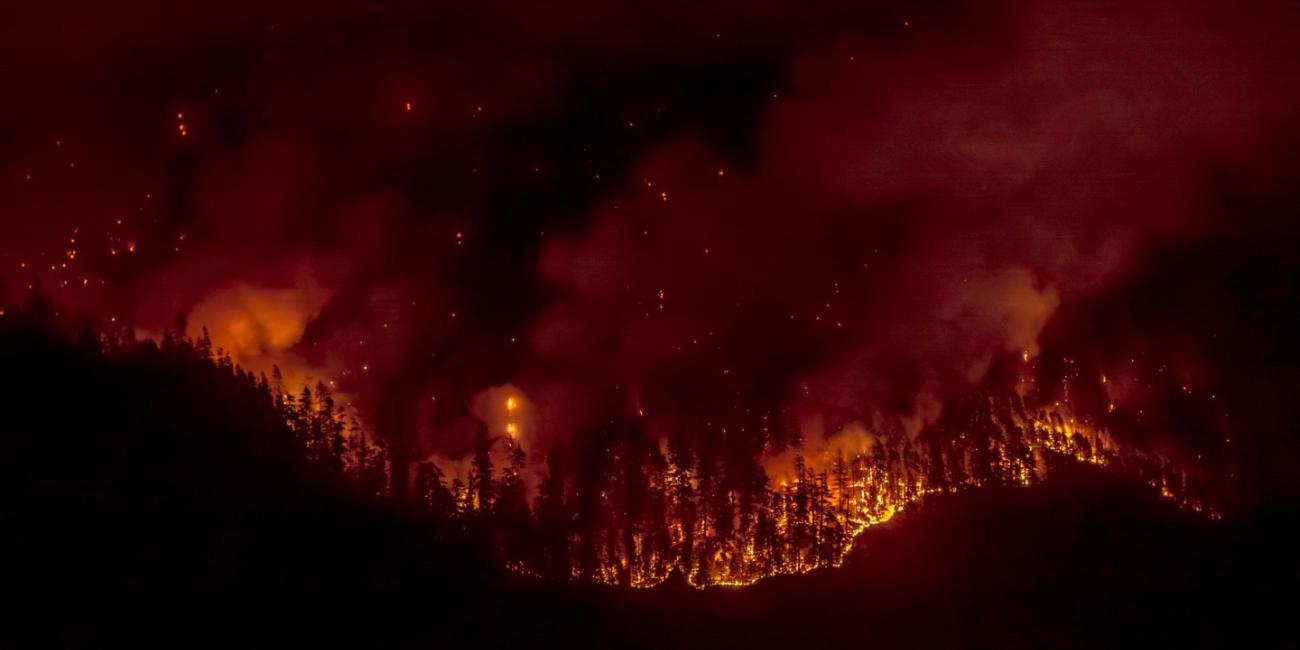
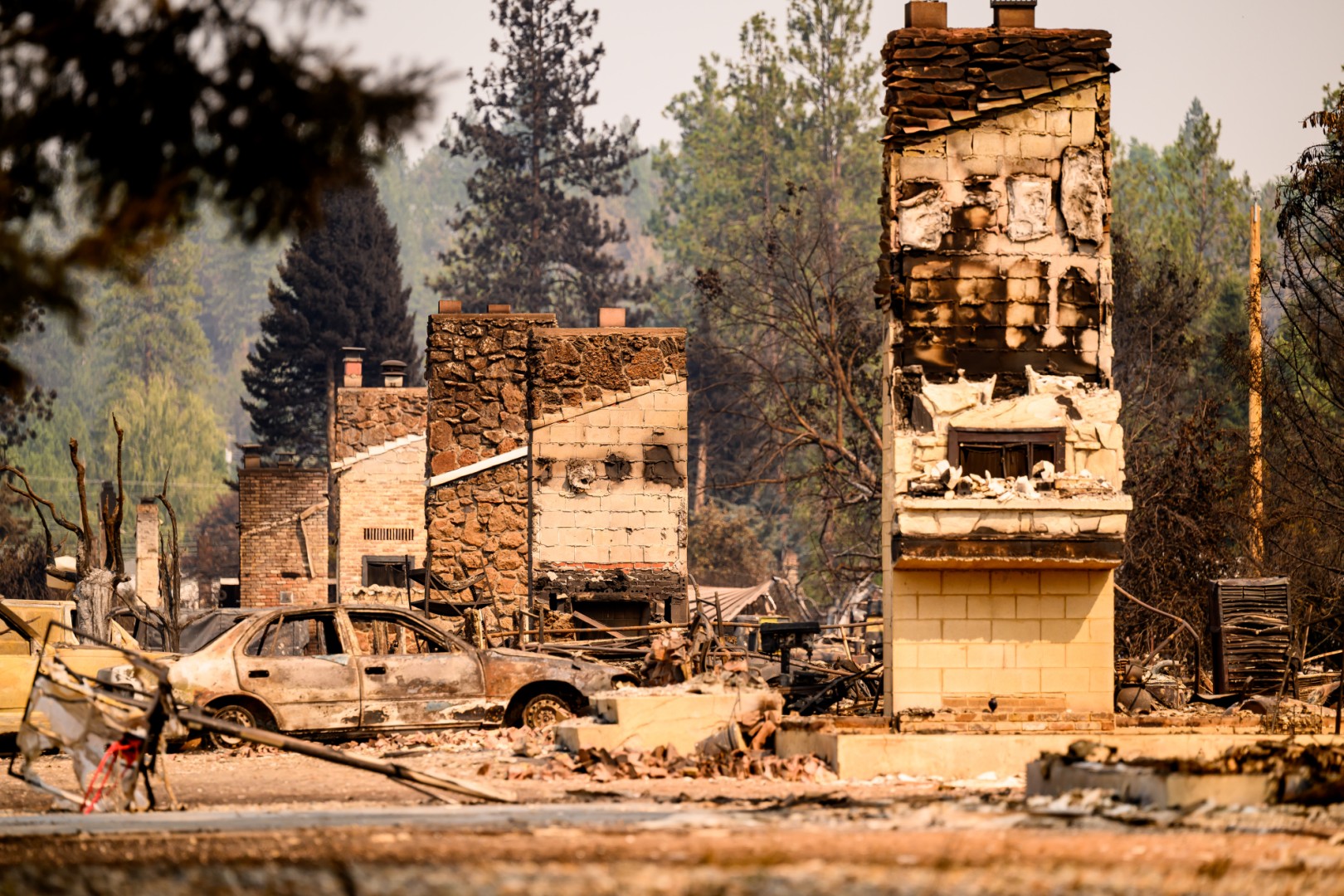
Wildfires tore through Spokane, Washington forcing evacuations and destroying infrastructure in August 2026, but online posts blaming energy-use measuring smart meters for the massive flames are baseless. Experts said that while the devices can catch fire, there is no evidence they contributed to starting the Spokane burns, the largest of which is linked to a suspected arsonist.
"Let's just say the government didn't do it, but a smart meter did it," says the speaker in an August 5, 2026 Instagram reel. "Do you see how that house right there burned but these plants are all perfectly green?"
In a follow-up video also invoking smart meters, the user claimed the government and energy companies intentionally started the Spokane fires to clear space for a data center -- echoing unfounded claims previously fact-checked by AFP.
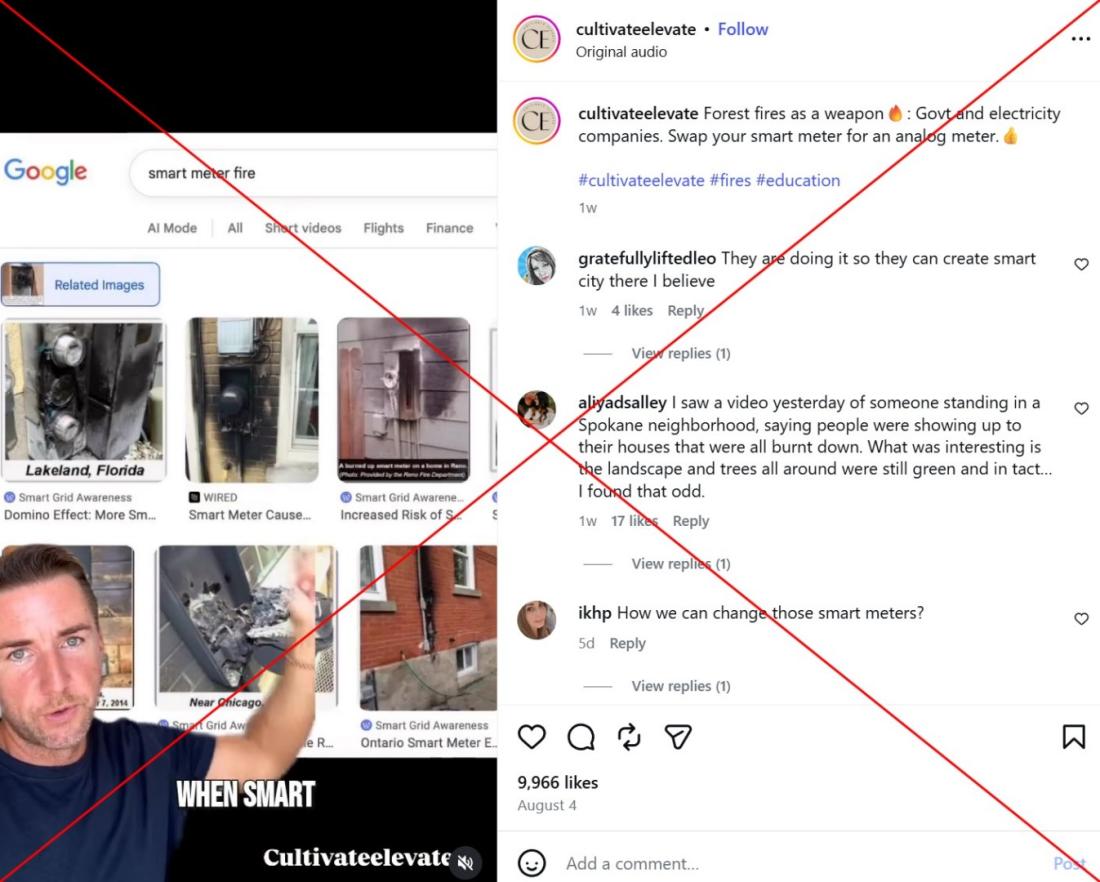
The post also claimed directed energy weapons (DEW) -- high-intensity lasers that have been the center of several conspiracy theories -- started the fires.
Similar claims blaming the wildfires on smart meters or DEWs circulated on Facebook, X and Threads as the flames forced 60,000 people to evacuate as hundreds of buildings were reduced to cinders.
But the National Weather Service had warned of "extremely critical fire weather conditions" in the area due to strong winds and exceptional dryness (archived here).
And while the causes remain under investigation, the local sheriff's department arrested a suspect in connection to the start of one of the largest blazes in the area.
The video is accurate that Spokane participates smart city projects and the local energy company has for years issued smart meters similar to those installed in millions of American homes.
But there is no evidence the devices -- which have been previously linked to home fires in other states -- were responsible for starting the wildfires in Washington State (archived here and here).
Jeffrey Kane, professor of fire ecology and fuels management at California State Polytechnic University Humboldt (archived here), told AFP on August 12 that he did not know of any smart meter-related wildfires and he "would be very skeptical of quick answers."
Kane said the extreme winds and dry conditions, linked to the predictable El Niño warming cycle, likely exacerbated the intense burns in Spokane.
Dry homes, moist foliage
Vytenis Babrauskas, a professor at Worcester Polytechnic Institute who studies electrical fires (archived here), said smart meter fires are usually the result of battery issues or installation errors and cannot be sparked remotely.
When smart meters do start fires, Babrauskas said they are typically contained to the home and immediate surrounding area. He explained that smart meter ignitions are unlikely to cause forest fires unless they begin in a home in the middle of a wooded area and the fire department could not respond promptly.
He also pointed out that surrounding foliage would be much more fire-resistant than the dry wood of domestic structures.
"Assuming it's a living tree, its moisture content is just incredibly higher than the moisture content of the timber materials in your house," Babrauskas said in an August 10 interview with AFP. "I think most people can understand that very wet substances tend not to burn very readily."
Both Kane and Babrauskas said a thorough investigation needs to be conducted before fires' cause could be determined.
Data center development on pause
Some posts discussing smart meters linked the flames to data center proposals from energy provider Avista.
Avista was previously involved in negotiations to provide 500 megawatts of electricity to a Spokane data center, but paused discussions shortly before the city council passed a one-year moratorium on data center development (archived here and here).
"Avista has no involvement in clearing land for data centers, nor is it seeking zoning or local permitting approval for data centers," Avista Senior Communications Manager Jared Webley wrote in an August 12 email to AFP.
According to the Avista website, the company does provide smart meters to its customers, but they can opt out for an additional fee covering the cost of manual readings (archived here).
Webley said smart meter fires are uncommon and that Avista found no evidence its smart meters caused the Spokane blazes.
If a fire occurs near a smart meter, he said Avista crews work with first responders and de-energize equipment if needed.
Read more of AFP's reporting on wildfire misinformation here.
Copyright © AFP 2017-2026. Any commercial use of this content requires a subscription. Click here to find out more.
Is there content that you would like AFP to fact-check? Get in touch.
Contact us