False claims about mRNA vaccination via shrimp consumption resurface
- Published on July 6, 2026 at 19:26
- 3 min read
- By Stevie ROSENFELD, AFP Canada
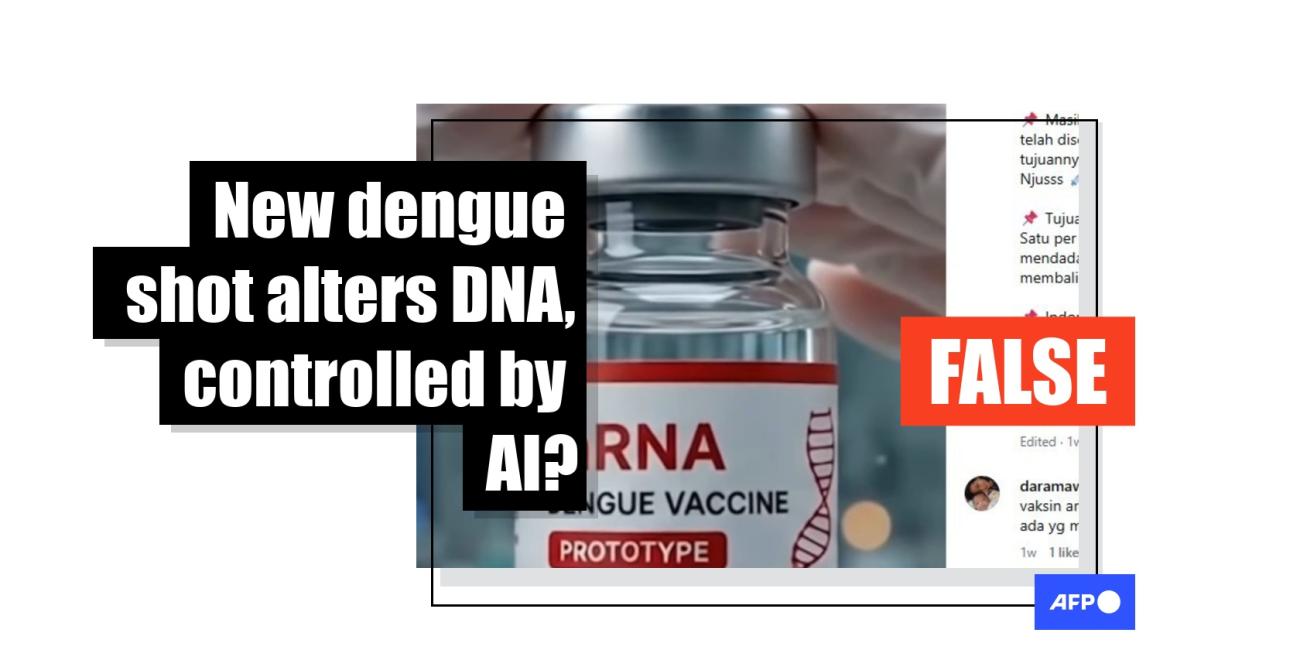
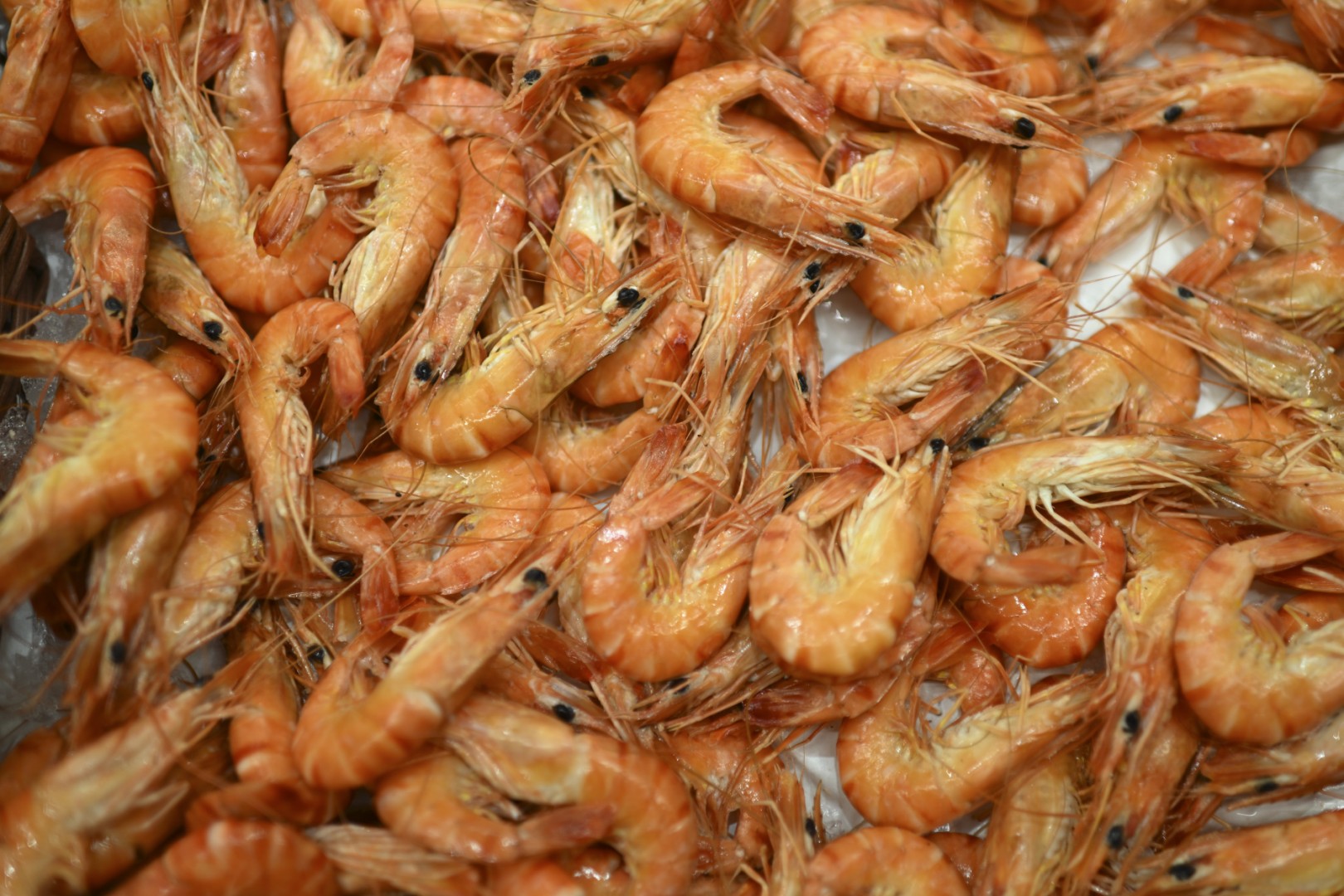
Online content falsely claiming vaccines can be distributed through the food supply has circulated for years and a new series of posts repeated claims that mRNA vaccines are being given to shrimp to alter human DNA upon consumption. However, these vaccines are unavailable for use in shrimp, and mRNA vaccines, which do not interact with human genes, cannot be absorbed through food consumption.
"mRNA is now officially in pork and shrimp to alter your DNA and get you 'vaccinated'. Zero labels," a June 14, 2026 Facebook post claims.
Keyword searches trace the claim to nutritionist and Saskatchewan farm executive John Graff who spoke in 2024 during a virtual conference hosted by Vaccine Choice Canada -- an advocacy group that spearheaded legal action against the Canadian government's coronavirus response (archived here).
During the presentation, Graff made numerous unsupported claims about mRNA vaccines being distributed through food and limiting the human body's ability to fight cancer.
Claims about shrimp and vaccines resurfaced in widely shared Instagram, Threads and X posts in 2026.

Graff told AFP on July 2 that he stood by his claims in the video. He referenced a researcher who published a paper claiming mRNA vaccines cause cancer, which the journal retracted (archived here). He also cited and testimonies from the National Citizen's Inquiry (NCI), an organization unaffiliated with the government that examined Canada's Covid-19 response. AFP previously fact-checked claims made during NCI presentations, finding its panelists spread pandemic misinformation.
Messenger ribonucleic acid, commonly known as mRNA, is a naturally occurring molecule in all living cells. mRNA copies instructions encoded on DNA and transports them to other parts of the cell where they are used to produce proteins (archived here).
Most vaccines use dead or inactive samples of a disease to help the body build immunity, but mRNA vaccines alternatively send the cells instructions to produce antigens that fight the illness, Petya Popova, research assistant studying mRNA therapeutics at the University of British Columbia, told AFP (archived here).
While there has been research exploring the possibility of edible vaccines, Popova said mRNA did not show strong potential in this area since the acidity of human stomachs break downs the molecule almost immediately (archived here).
"This is probably very, very hard to accomplish even in research because RNA gets degraded so fast," she said on July 1.
It is also impossible for mRNA vaccines to alter DNA, Popova said. DNA is housed in the nucleus of a cell, which is protected by a specialized membrane (archived here). mRNA from vaccines, on the other hand, remains outside this area as it instructs other parts of the cell to produce proteins. After a protein is made, the molecules break down, never interacting with the DNA (archived here).
"There is no risk of integrating RNA into your DNA and so on," Popova said.

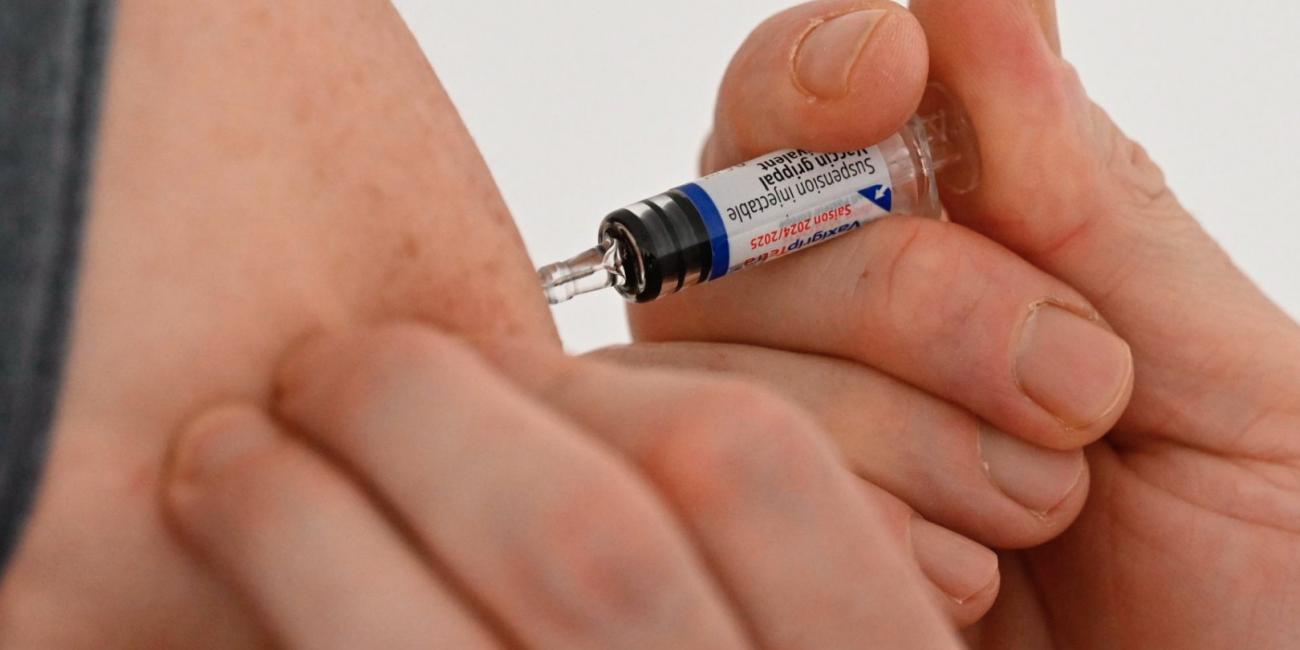
While vaccination site pain and headaches are common reactions to shots, serious side effects are rare. The introduction of mRNA vaccines circumvents the potential side effects that result when injecting a virus into the body, Popova said.
Popova also said there is no evidence mRNA vaccines cause cancer, a recurring claim multiple experts have told AFP is false.
No vaccines for shrimp
In Canada, the approved vaccines for seafood are primarily for salmon and similar fish and rely on inactive bacterial cultures (archived here).
Vaccinating farmed seafood prevents the animals from getting sick before being harvested (archived here). This allows for higher yields and larger, healthier fish.
A representative from the Canadian Food Inspection Agency told AFP in a July 3 email there are currently no mRNA vaccines approved for use in seafood in Canada.
There are also no vaccines approved for shrimp in Canada. Shrimp lack adaptive immunity, meaning their bodies do not remember how to fight a disease again after they contract it once, making it difficult to produce effective vaccines (archived here).
ViAqua Therapeutics is in the process of developing an mRNA vaccine to treat shrimp illness, but their design is not yet available for use in aquaculture (archived here).
Dalan Biosciences, which created a vaccine to protect honeybees, is researching a potential shrimp vaccine, but their design does not utilize mRNA technology (archived here).
Carina Lladó, a representative of the Norwegian pharmaceutical firm PHARMAQ which produces four of the eleven vaccines approved for seafood in Canada, said in a July 1 email to AFP that RNA-based vaccines are not a part of current commercial seafood vaccination practices (archived here and here).
"Our work is focused on preventative fish health. Vaccination plays an important role in improving fish health and welfare, reducing disease, and supporting the sustainable production of seafood," Lladó said.
AFP and others have previously reported on false claims about vaccinated livestock, with experts confirming the vaccines are not transmitted to humans who eat the animals.
Read more of AFP's reporting on vaccine misinformation here.
Copyright © AFP 2017-2026. Any commercial use of this content requires a subscription. Click here to find out more.
Is there content that you would like AFP to fact-check? Get in touch.
Contact us