AI warfare: How digital battle is shaping Ethiopia-Eritrea war narratives
- Published on April 2, 2026 at 14:56
- 5 min read
- By Tolera FIKRU GEMTA, AFP Ethiopia
Eliyas Kebede Zemedkun has spent most of 2026 producing AI-generated images and videos depicting Ethiopia occupying Eritrea’s strategic port of Assab.
A 24-year-old law graduate with more than 87,000 Facebook followers, Eliyas told AFP that AI-generated material helps him promote what he describes as “Ethiopia’s national narrative,” including the country’s ambition to gain access to the Red Sea port of Assab, territory belonging to rival Eritrea.
“I am also motivated to use AI-generated content to challenge narratives that try to downgrade the national army through different demoralising tactics,” he said.
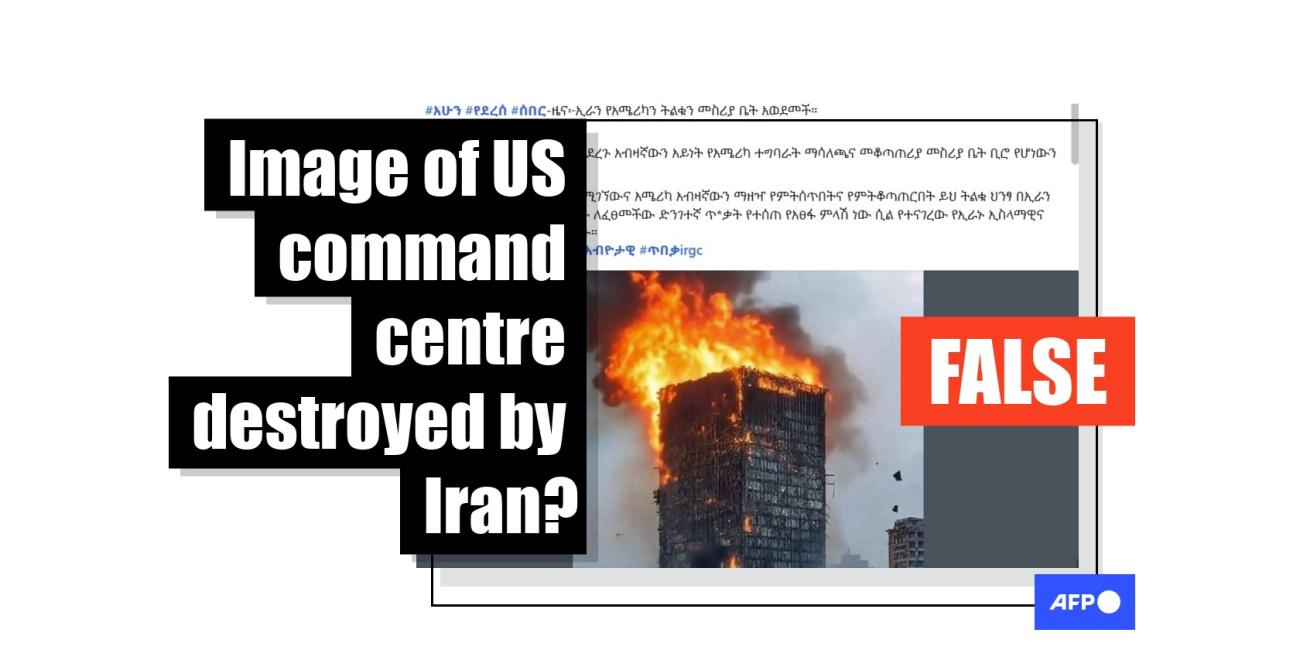
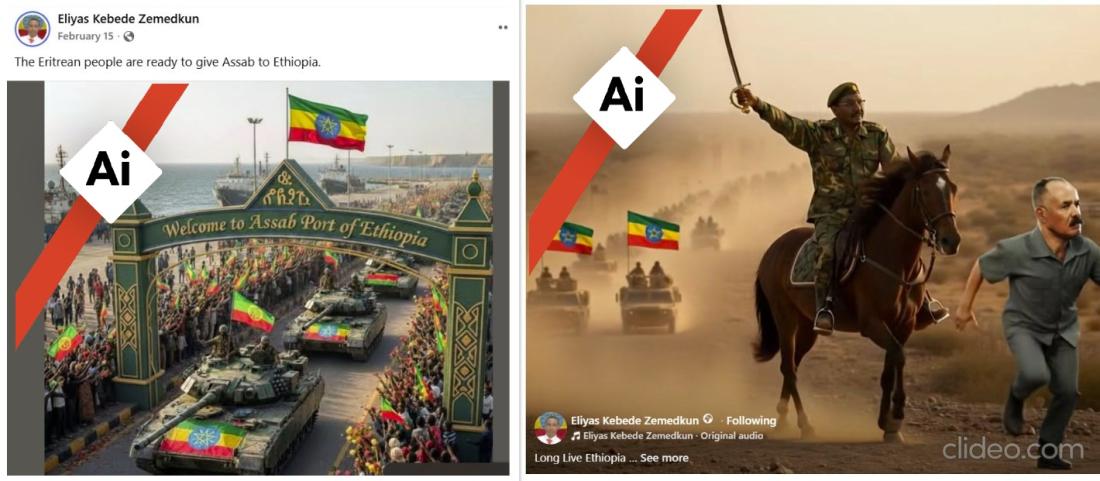
In February and March 2026, Eliyas published several AI-generated images, including one depicting Ethiopian tanks entering Assab to cheering crowds. He said he uses free platforms like Gemini and ChatGPT to create the content, along with editing software Clideo, to produce the material.
He also published an AI-generated video of Ethiopia’s army chief pursuing Eritrean President Isaias Afwerki on a dusty road.
Widely shared by pro-Ethiopian accounts, the clip drew inflammatory reactions, including one comment reading: “Chase out this terrorist. Not only Assab; we will also regain the entire Eritrea.”
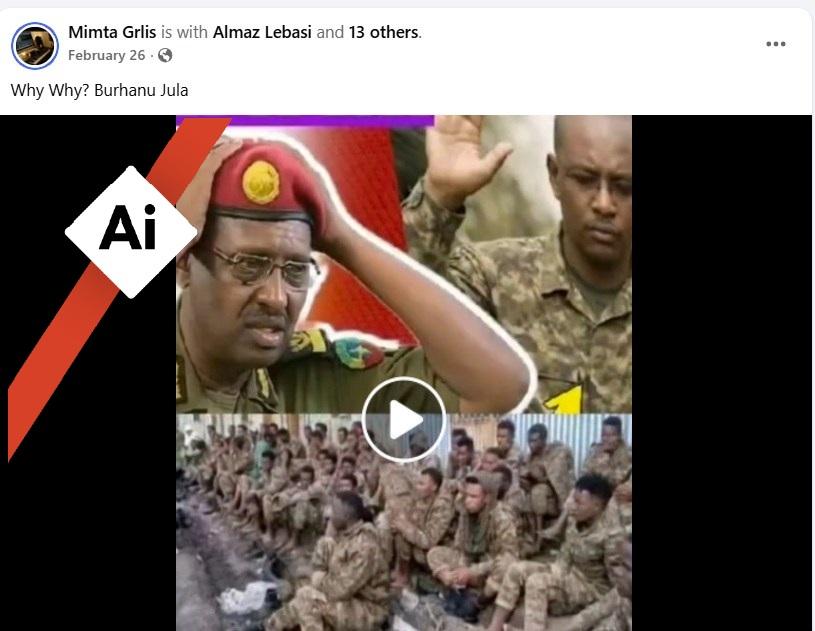
Eritrean-aligned users responded in kind, sharing an AI-generated video intended to humiliate Ethiopia’s leadership by showing their troops surrendering. AFP Fact Check confirmed the content in these posts was also created with AI tools.
Certified AI specialist Amanuel Meseret said that such videos rarely reflect reality.
“But even when they're not realistic, the emotional reaction is very strong due to their provocative nature and limited media literacy (of the viewers)," he told AFP.
Digital literacy is still limited in Ethiopia, which ranked 112 out of 149 countries on the latest World Economic Forum's Digital Skills Index. Eritrea, one of the world's most closed countries, is not included in this index or others.
Dramatising war
Across the digital divide, the cycle feeds itself: each violent AI-image provokes another.
Experts warn that the AI-generated visuals portray war as swift and cost-free, while inflaming animosity and deepening polarisation between the rival states in the Horn of Africa.
“These videos dramatise war as a quick and effortless victory... constructing a false reality that risks steering opinion and political discourse toward confrontation rather than resolution,” Workineh Diribsa, a journalism lecturer at Ethiopia's Jimma University, told AFP.
He added that AI-driven conflict narratives have already worsened mistrust and eroded prospects for dialogue.
Tensions between Ethiopia and Eritrea have intensified since Ethiopian Prime Minister Abiy Ahmed asserted in October 2023 that access to the Red Sea is an “irreversible” claim for his country, with the strategic port of Assab frequently cited as a potential target (archived here).
The stakes are deeply rooted in history. Eritrea gained independence from Ethiopia in 1993, leaving the latter landlocked. Although the two countries signed a landmark peace agreement in 2018 and later aligned during the devastating 2020–2022 Tigray war, which killed more than 600,000 people, relations have since deteriorated (archived here).
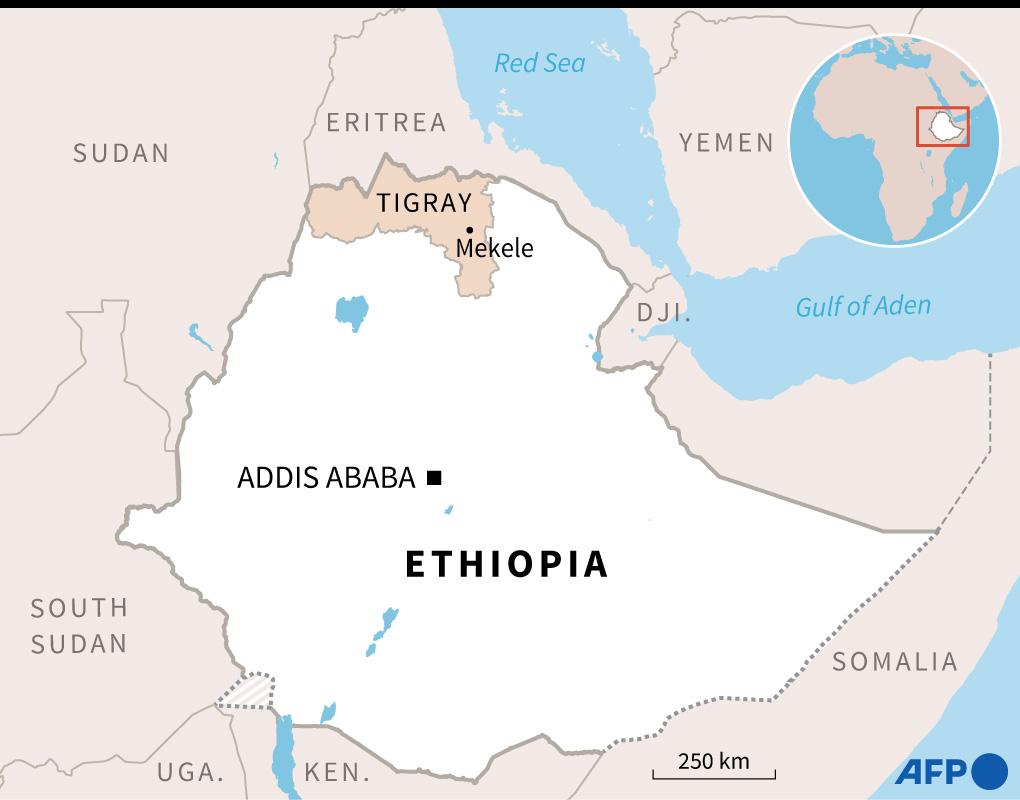
After the war ended with the Pretoria peace deal in November 2022, mutual accusations resurfaced. Addis Ababa recently accused Eritrea of supporting rebel groups, claims Asmara denies. Recent reports of troop deployments along their shared border have further heightened fears of renewed war (archived here and here).
Hostile exchanges
Online rhetoric has become increasingly aggressive, with inflammatory posts drawing thousands of interactions, leading to hostile exchanges often accompanied by violent imagery in comment sections.
Kjetil Tronvoll, an expert on the region at Oslo New University College, said similar online clashes fueled tensions during the Tigray war, but this has now been turbo-charged by AI.
“When people believe fabricated visuals are real, it fuels genuine anger, fear, and animosity,” he told AFP.
One frequent user, under the username "Mimta Grlis", has published several AI-generated images, including an AI-generated clip, depicting Abiy under arrest by Eritrean forces.
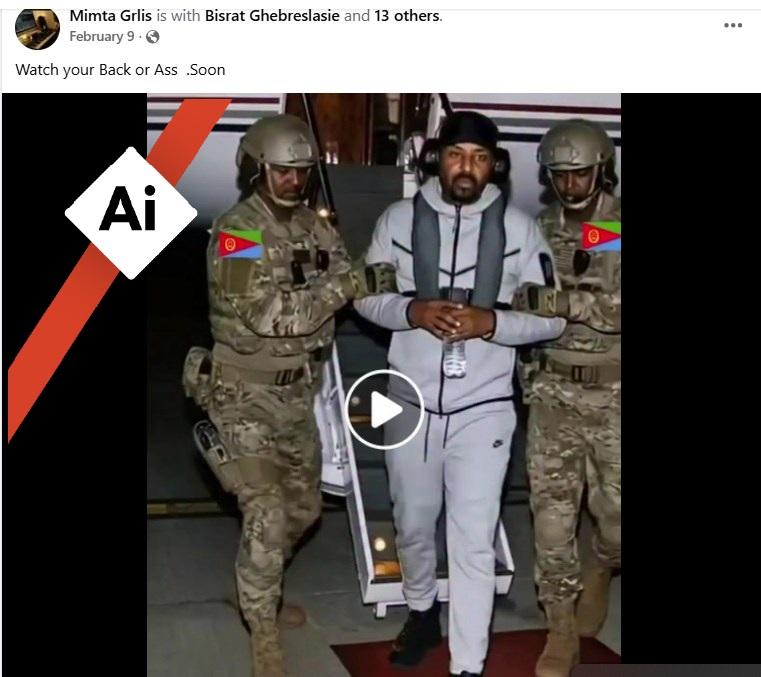
Another AI-generated clip of Ethiopian ship sinking in the Red Sea was captioned: “We will bury deep the Ethiopian that wished for the Red Sea.”
The video’s comment section quickly devolved into hostile exchanges between supporters on both sides, with users sharing graphic war imagery and issuing retaliatory threats.
“You will sink deep into the sea. We will no longer remain landlocked,” one Ethiopian user wrote.
“Eritreans, you better surrender before time ends,” another added.
In addition to wholly AI-generated visuals, authentic news photographs have been digitally altered to convey humiliation or violence.
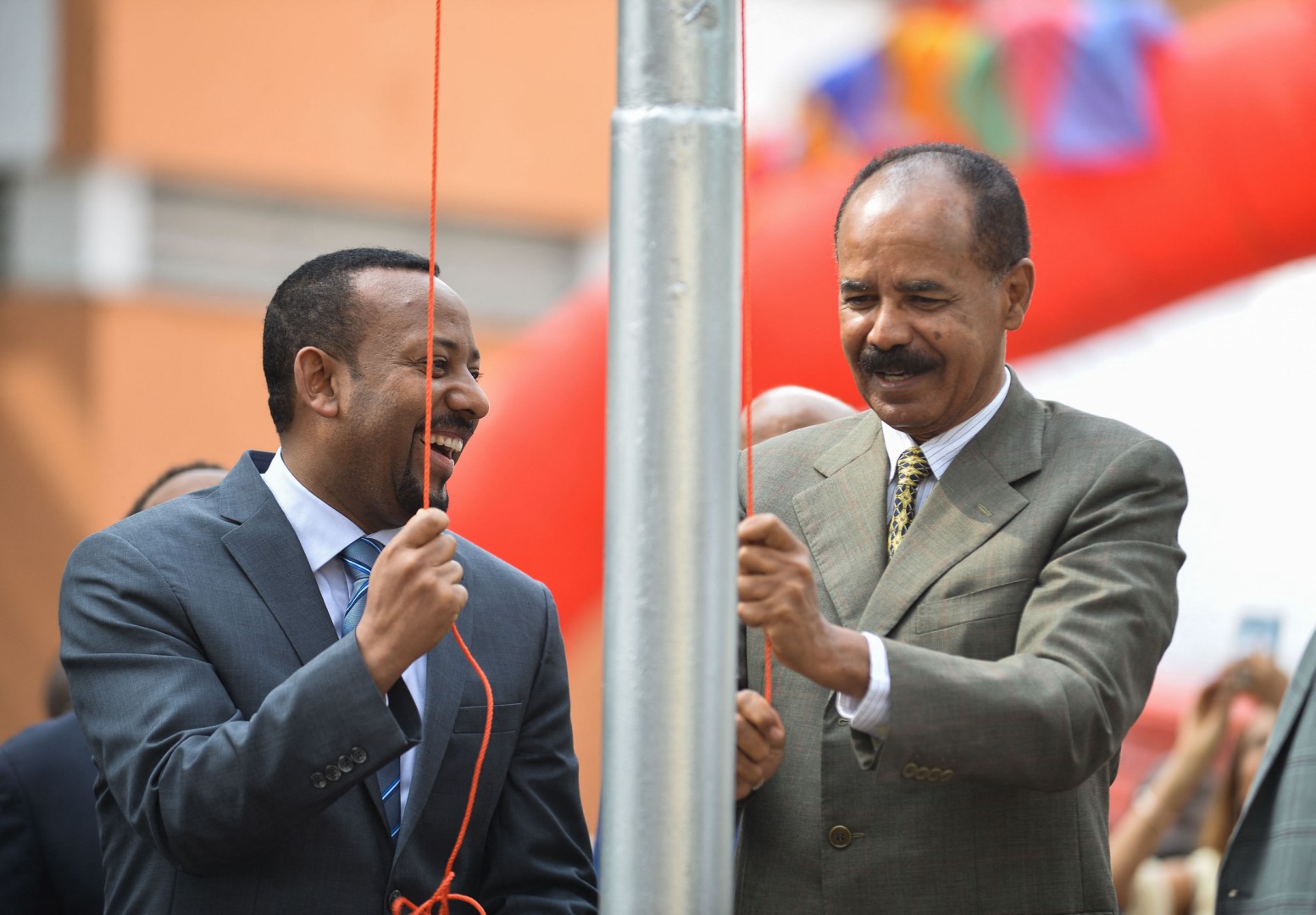
For instance, a 2018 AFP photograph showing Abiy and Isaias during their rapprochement was animated to show the pair fighting.
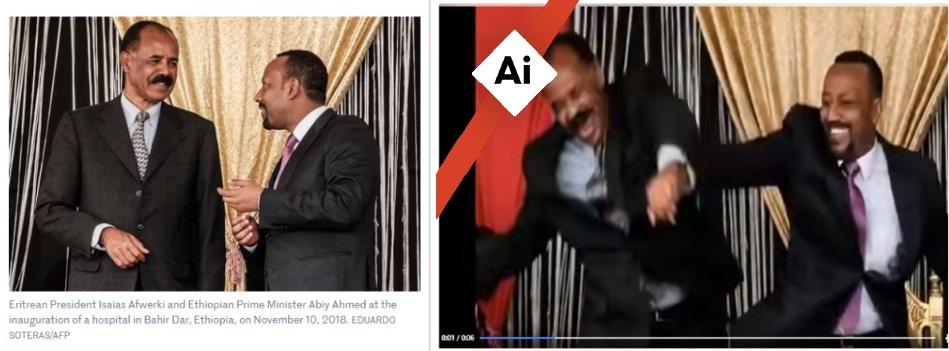
A review of the comments beneath the posts sharing AI-generated images suggests many social media users believe they are genuine.
No regrets
Decades of conflict and trauma means that obviously fake images can trigger audiences or play into their existing worldview.
Terje Skjerdal, a journalism professor at the Norwegian NLA University College who publishes research on the Ethiopian media landscape, said the AI images mirror propaganda techniques used in the war between Russia and Ukraine.
“These AI-generated contents seek to please the propagandist,” Terje told AFP. “The purpose is twofold: to cause anxiety within the enemy and to garner support among its own population,” he added.
Even Eliyas acknowledged the distortion and admits that AI “obscures reality” and “normalises aggression”.
Yet he remains unapologetic.
“I am countering the digital warfare waged against Ethiopia,” he said.
Copyright © AFP 2017-2026. Any commercial use of this content requires a subscription. Click here to find out more.
Is there content that you would like AFP to fact-check? Get in touch.
Contact us