Experts warn misinformation about HIV treatments in Indonesia is life-threatening
- Published on August 14, 2026 at 09:57
- Updated on August 14, 2026 at 10:11
- 5 min read
- By Ramadani SAPUTRA, AFP Indonesia
International health organisations and experts say antiretroviral therapy and medication help people living with HIV to live longer, healthier lives by preventing damage to white blood cells, contrary to social media posts claiming the drugs harm the immune system. The experts told AFP that beyond spreading misleading information, the posts could "cost lives" by delaying effective treatment.
"HIV must exist and be feared in order to sustain a lifelong market for ARV drugs. LGBT people are maintained and multiplied to create a market for ARV drugs," says Indonesian-language text on a Facebook graphic shared on July 26, 2026.
The post, shared by an account that has previously published baseless claims about the measles vaccine, downplays the severity of HIV and insinuates the antiretroviral (ARV) drugs used to treat the virus in fact prevent people from recovering on their own.
"People who study HIV are belittled, frightened, and insulted so they won’t become intelligent. Because if people were smart, they wouldn’t want to buy ARV drugs, which damage CD4 cells," says the post, referring to white blood cells which serve as the immune system's first line of defence against illness.
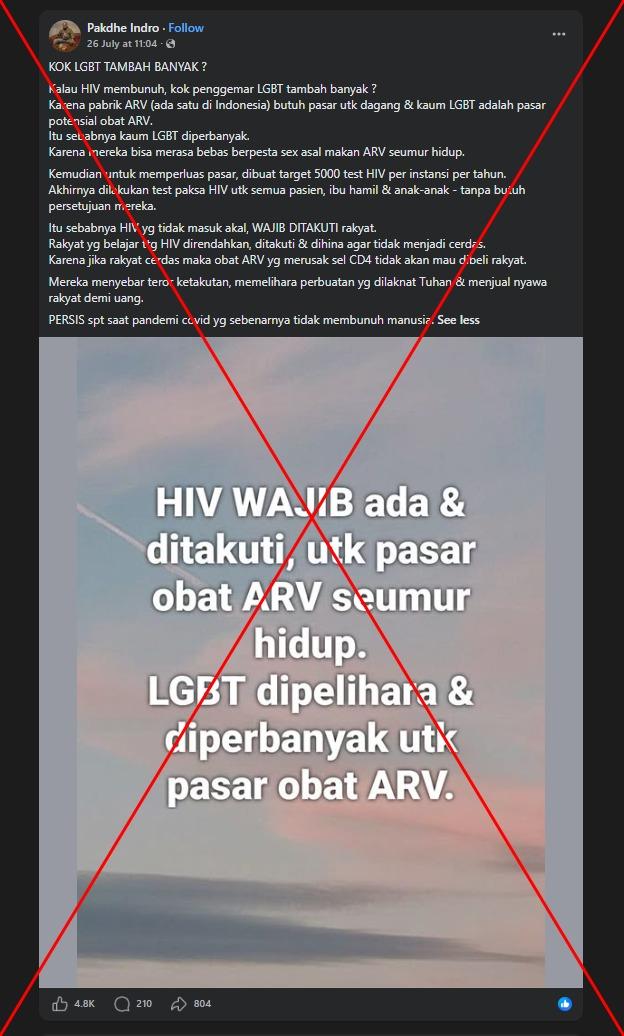
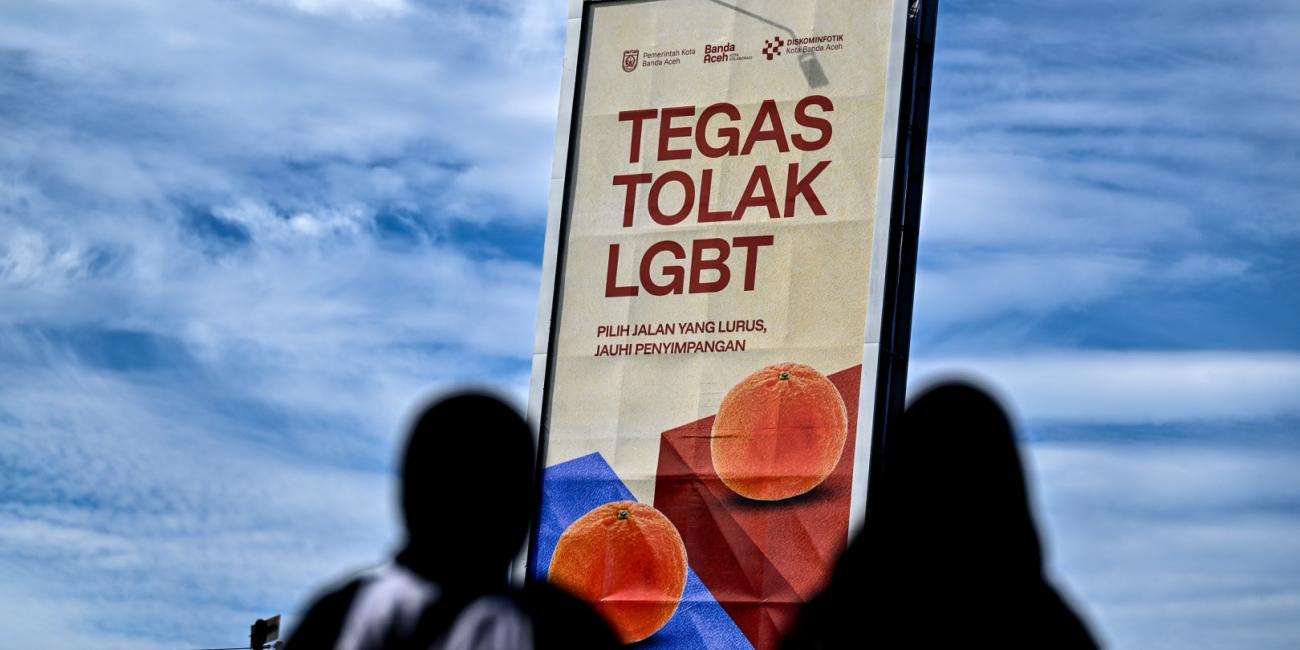
The post circulated amid a rising tide of anti-LGBTQ sentiment in the Muslim-majority Southeast Asian nation (archived link).
The influential Indonesian Ulema Council (MUI), which previously announced it was drafting measures to criminalise the community, has also warned men not to wear women's clothing for the upcoming Independence Day festivities -- despite a long tradition of men in dresses playing football as part of the annual fun.
It is not the first time the MUI has spoken out against cross dressing, but the latest warning follows a spate of physical attacks on gay people and a presidential regulation classifying "LGBTQ culture" as a security threat.
The claim about ARV drugs damaging white blood cells was also shared in Facebook and Instagram posts.
"It makes perfect sense, because that drug doesn't cure you; it just creates a lifelong dependency," says a comment on one of the posts.
Another says: "Thank you for the knowledge. Now I understand who's funding the LGBT, it could be a pharmaceutical company."
But the claim is false. ARV drugs have been proven to increase the number of white blood cells.
When left untreated, HIV leads to AIDS, with opportunistic infections now life-threatening.
'Longer, healthier, more productive lives'
UNAIDS, the United Nations' joint programme on HIV and AIDS, says antiretroviral medication has been proven to "dramatically reduce AIDS-related illness and death" (archived link).
"While not a cure for AIDS, combination antiretroviral therapy has enabled people living with HIV to live longer, healthier, more productive lives by reducing viraemia (the amount of HIV in the blood) and increasing the number of CD4-positive cells (white blood cells that are central to the effective functioning of the immune system)," it says.
The World Health Organization (WHO) also recommends antiretroviral therapy (ART) for all adults living with HIV (archived link).
Data from the UNAIDS shows there are around 41 million people living with HIV globally and 32.1 million people are accessing antiretroviral therapy as of 2025 (archived link).
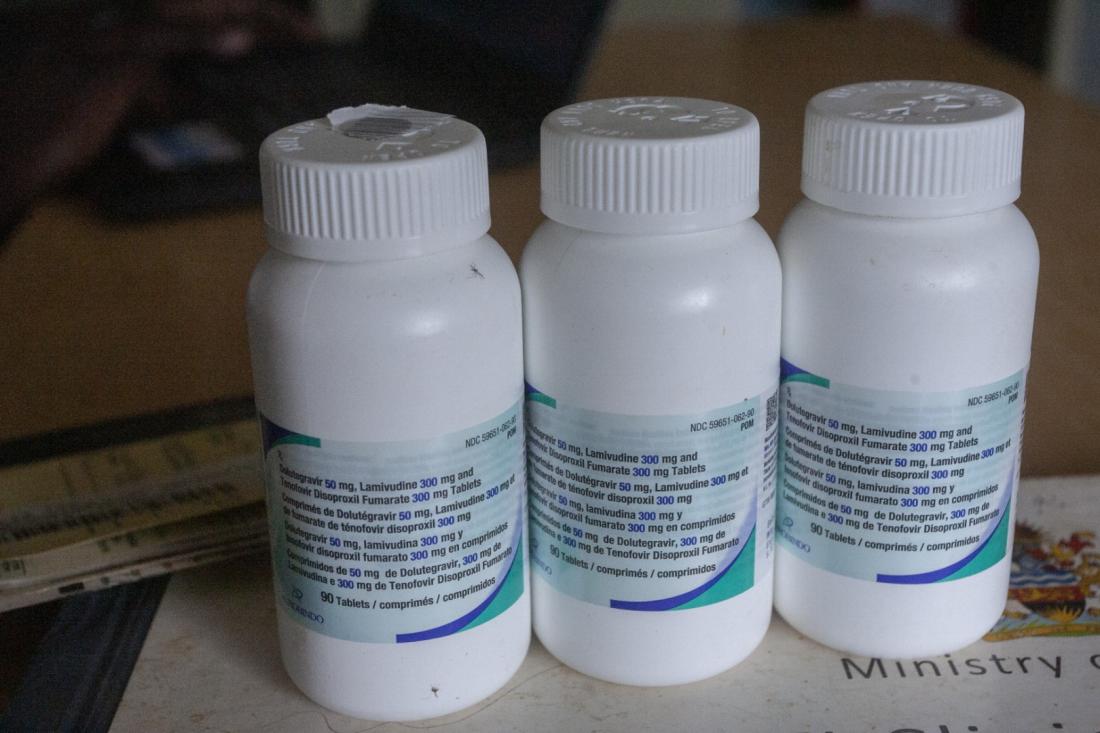
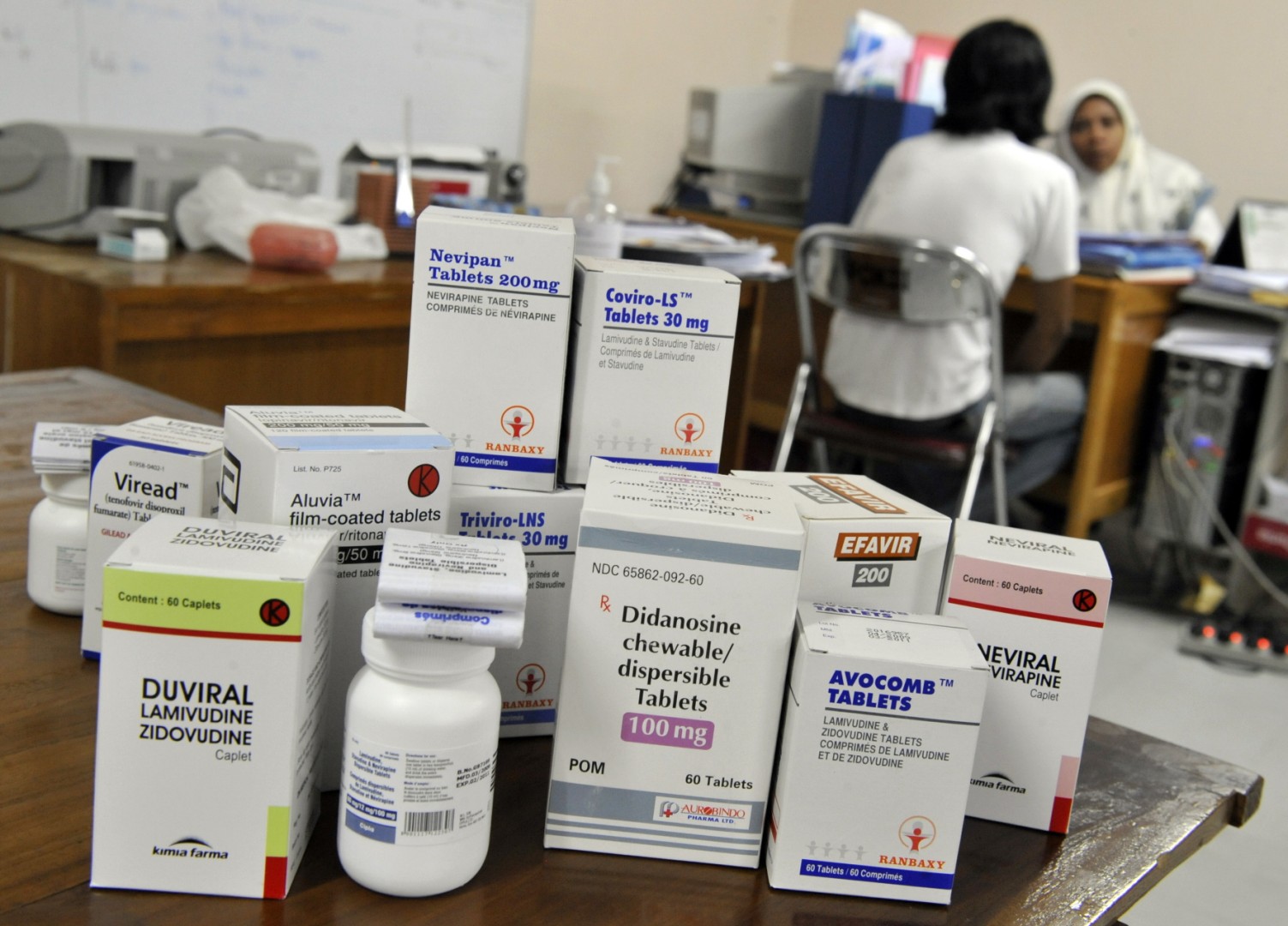
The Indonesian Health Ministry , which has set a target to eliminate HIV and sexually transmitted infections (STIs) by 2030, has provided ARV for free to the public for years as it also aims to achieve "zero new infection, zero AIDS related death and zero discrimination" (archived here, here and here).
Protects white blood cells
Monica Gandhi, professor of Medicine and Associate Division Chief of the Division of HIV, Infectious Diseases, and Global Medicine at University of California, San Francisco, told AFP that ARV medicines are effective at treating HIV because they "prevent the virus from replicating" (archived link).
"Antiretroviral therapy (ART) works by targeting different steps in the HIV viral lifecycle to prevent the virus from replicating. Since HIV is a virus that targets and kills CD4 cells, ART drugs will prevent HIV from damaging CD4 cells. Therefore, ART actually prevents HIV from hurting the immune system," Gandhi said in an August 8 email.
Otto O. Yang, professor of Medicine and Microbiology, Immunology, and Molecular Genetics at the University of California, Los Angeles, explained in an August 5 email that ARV drugs work by attaching to "proteins the virus uses to reproduce itself"(archived link).
"That attachment is very specific, and the drugs are designed not to attach to proteins in normal cells," said Yang, who currently serves as the interim director of the UCLA AIDS Institute.
"That being said, any drug (whether it is a safe drug like acetaminophen or penicillin) can have side effects and occasionally damage cells. However, there is no reason for ARVs to damage CD4 cells. Also note that like most drugs, ARVs are not targeted to a particular type of cell, like a CD4 cell," he added.
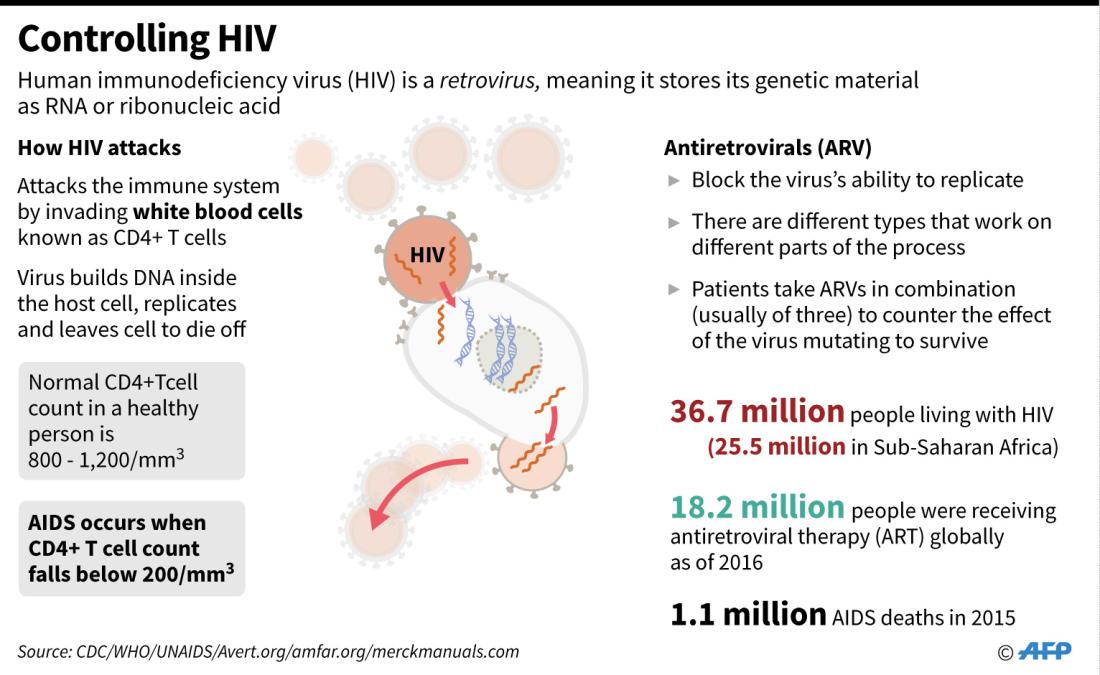
Dariusz P. Olszyna, adjunct associate professor at the Department of Medicine at National University of Singapore, said in some cases patients' white blood cell count do not increase after starting ART because they were diagnosed late (archived link).
"This stresses the importance of frequent HIV testing and starting HIV treatment early," Olszyna told AFP on August 11. "It is worth pointing out that even if CD4 counts do not recover, but patients continue taking ARVs and maintain undetectable viral loads, they remain healthy and do not get serious opportunistic infections."
Cost of misinformation
Yang said misinformation about ARV drugs "can cost lives" since any delay in treatment for people living with HIV can have a serious impact on health.
"Unfortunately, the younger generation does not remember the era before effective treatment was available, when people with HIV were dying in droves," he said.
"Treatment has saved millions of lives, and if people avoid treatment because of misinformation, deaths will rise. It's clear that earlier treatment is more effective than waiting until late disease."
In Indonesia -- where there are about 570,000 people living with HIV -- UNAIDS said addressing the "treatment gap" continues to be one of the foremost challenges, as they noted that only 31 percent of people living with HIV are accessing treatment and 14 percent are virally suppressed (archived link).
Gandhi also said this kind of misinformation is "damaging to public health as it indicates that people with HIV should not be on ART."
"Without ART, people with HIV will experience progressive immune damage, get severe infections, and die," she said.
"ART is life-saving and very important to improve CD4 cell counts and allow people with HIV to live normal lifespans. HIV is not a conspiracy and is a real infection that can kill so do not believe this misinformation."
AFP previously debunked misinformation surrounding HIV and LGBT in Indonesia.
Updated summary to fix minor grammatical errorAugust 14, 2026 Updated summary to fix minor grammatical error
Copyright © AFP 2017-2026. Any commercial use of this content requires a subscription. Click here to find out more.
Is there content that you would like AFP to fact-check? Get in touch.
Contact us