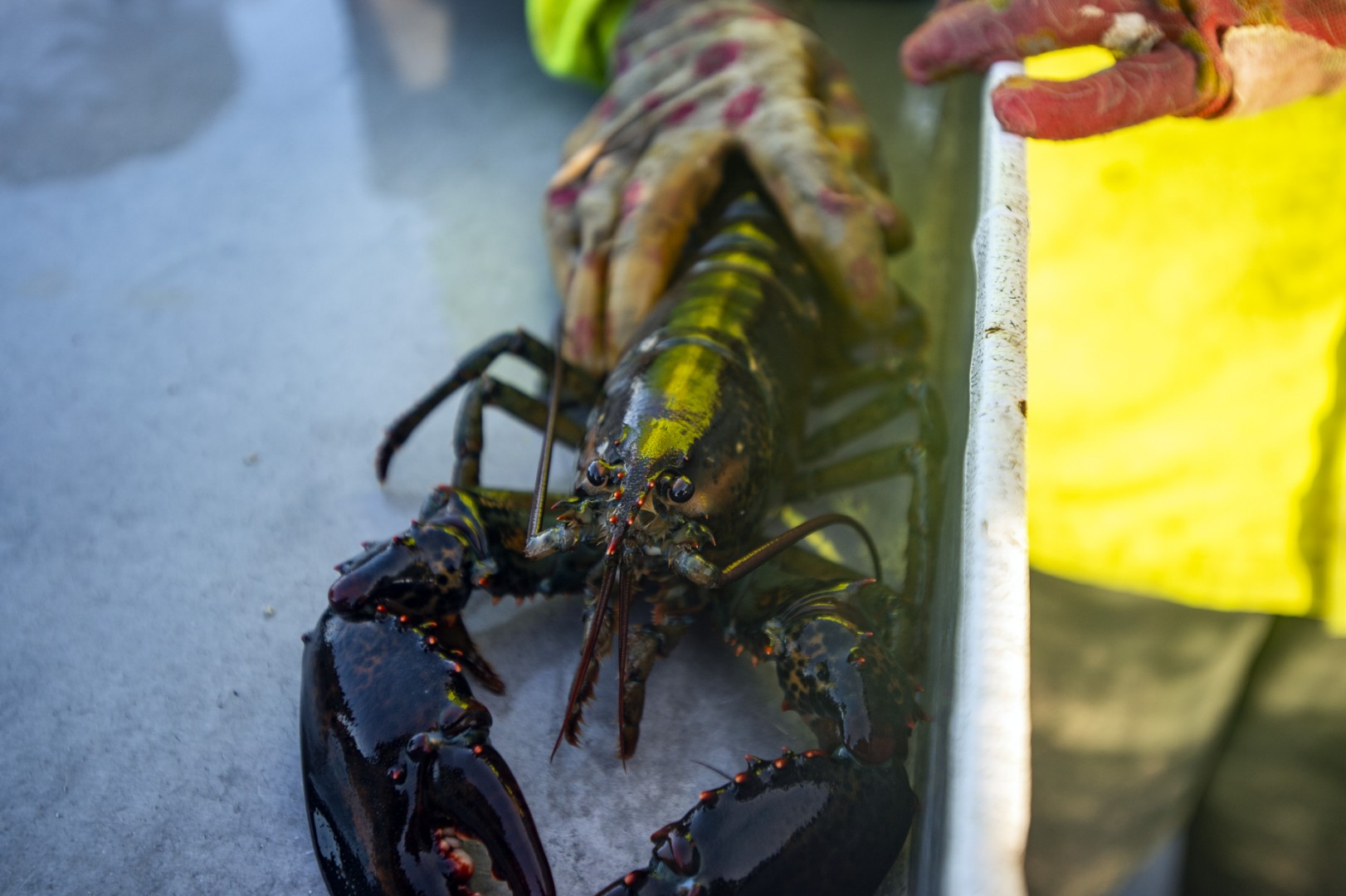
Trump misleads on lobster fishing in ocean sanctuary
- Published on June 17, 2026 at 22:58
- 3 min read
- By Manon JACOB, AFP USA
As he reversed commercial fishing bans for protected ocean areas, Donald Trump falsely claimed that Canadian and Japanese fishermen had been harvesting lobster in an Atlantic sanctuary off limits to Americans. Despite the US president's claims, no country had commercial fishing access to the zone protected under regulations enacted by former presidents Barack Obama and Joe Biden.
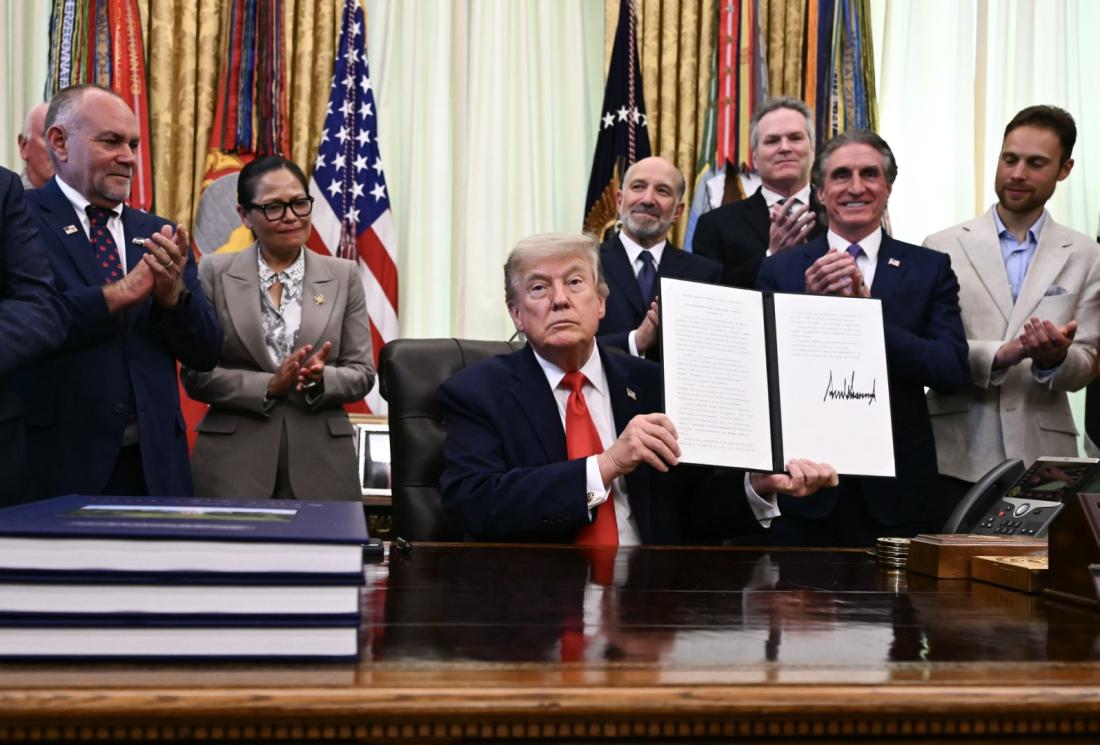
While signing a proclamation to reinstate commercial fishing at three Pacific Ocean sites on June 11, Trump told reporters that he had previously done "a similar thing for Maine" on the country's East Coast.
"A massive amount of the Atlantic Ocean, we weren't allowed to fish," he said, singling out measures taken by Obama and Biden to protect ocean ecosystems (archived here and here).
"In Maine, I opened it up. You know who was fishing there? Canada. Japan was fishing there. Maine lobster. You couldn't get a Maine lobster. You had to go to Japan to get a Maine lobster. You believe that? You had to go to Canada to get a Maine lobster."
Social media users echoed his claims on X and Rumble, praising the move as supportive of US fishermen and an effort to boost domestic production.
"Say goodbye to buying Maine lobster from Canada or Japan," one user wrote.
The area Trump was alluding to is the Northeast Canyons and Seamounts Marine National Monument, a region renowned for its rich biodiversity and home to lobsters that encompasses approximately 4,913 square miles off the Atlantic coast (archived here and here).
Since the start of his second term in the White House, Trump has signed multiple reversals of commercial fishing restrictions, claiming his actions help fishermen compete with the global seafood market (archived here).
That includes rolling back protective regulations for the site in February, mimicking measures he took in 2020 during his first mandate.
The move triggered the National Oceanic and Atmospheric Administration (NOAA) to rescind the regulation that prohibited commercial fishing within the monument's boundaries (archived here, here and here).
But the president's claim that foreign boats were fishing in the area while it was protected is false.
"All commercial fishing was prohibited regardless of the nationality" at the site, said Svenja Koepper, a marine biologist in Canada, told AFP (archived here).
Lobster fishing
The term "Maine lobster" refers to lobsters from the American lobster species "landed by Maine harvesters and sold by Maine dealers," Jeff Nichols, communications director at the Maine Department of Marine Resources, told AFP on June 16 (archived here).
There is no such thing as a Canadian or Japanese "Maine lobster."
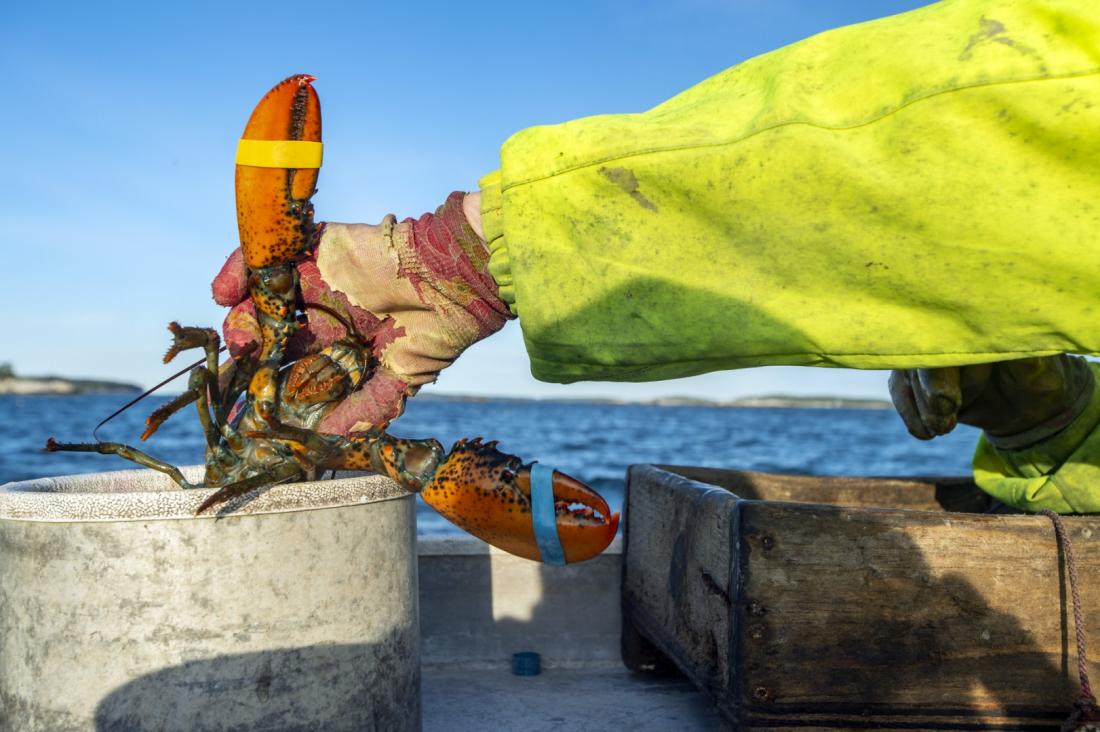
In any event, the ocean zone containing the sanctuary Trump alluded to is not significant in lobster fishing activities, experts told AFP.
The entire ocean zone that the monument is in "accounts for less than 9 percent of the overall coastwide US lobster landings," Tina Berger, communications director at the Atlantic States Marine Fisheries Commission, told AFP on June 16 (archived here).
The large majority of lobster fishing activities happen in different areas.
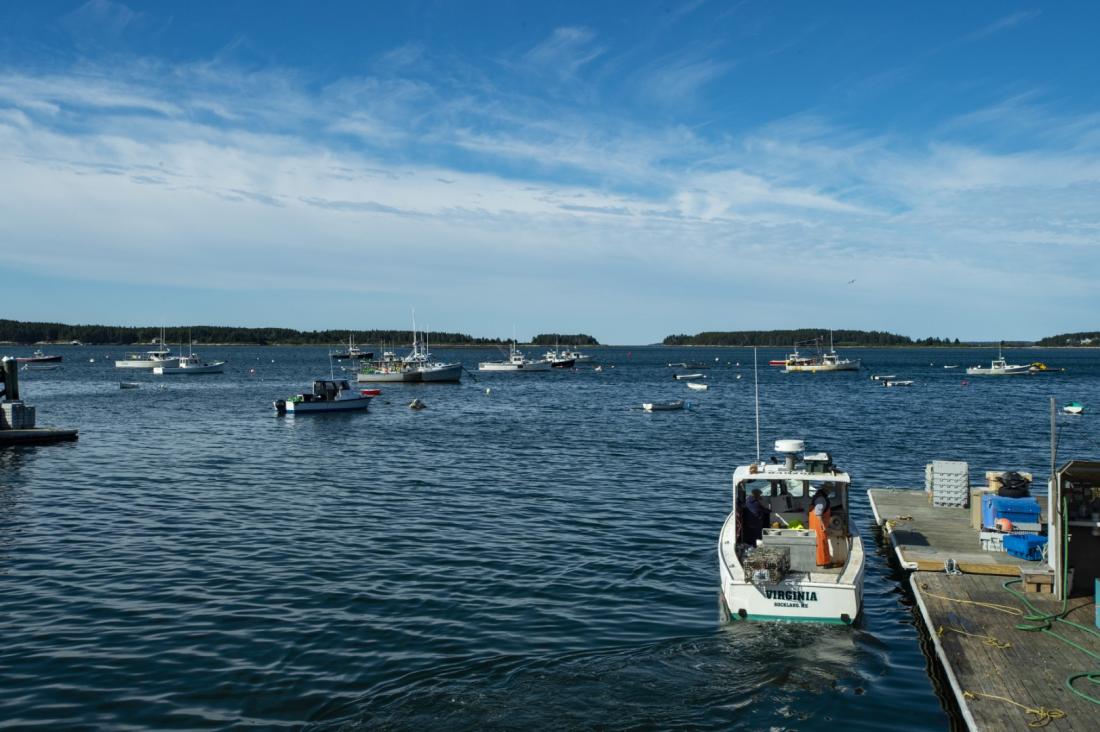
American lobsters are "widely distributed over the continental shelf of North America and are fished for by both US and Canadian fishermen within their own countries' inshore waters and the offshore waters of their respective Exclusive Economic Zones," Berger said (archived here).
"Canadian vessels are prohibited from fishing in US waters for American lobster, with the exception of fishing in the gray zone," she added, referring to an area near Machias Seal Island where US and Canadian boats both fish due to murky boundaries (archived here).
Marine biologist Koepper said that the gray zone, which is less than 200 square miles between the United States and Nova Scotia, is "of small significance" to commerce. It is also not close to the sanctuary (archived here).
Risk to biodiversity
Marine scientists say the sanctuary has an "incredibly diverse range of overlapping and interacting species" (archived here).
Many wildlife groups have strongly opposed the reversal of protective measures for the monument (archived here and here).
With the progression of climate change, American lobsters are becoming more abundant in northern parts of their range while decreasing in population in the lower parts of their range (archived here).
Koepper said that as climate models project warming of more northern waters, "the sustainability of this species is a concern" (archived here).
Find more environmental and climate-related fact-checks here.
Copyright © AFP 2017-2026. Any commercial use of this content requires a subscription. Click here to find out more.
Is there content that you would like AFP to fact-check? Get in touch.
Contact us