Vitamin D in milk is not equivalent to levels in rat poison
- Published on May 28, 2026 at 19:55
- 2 min read
- By Gwen Roley, AFP Canada
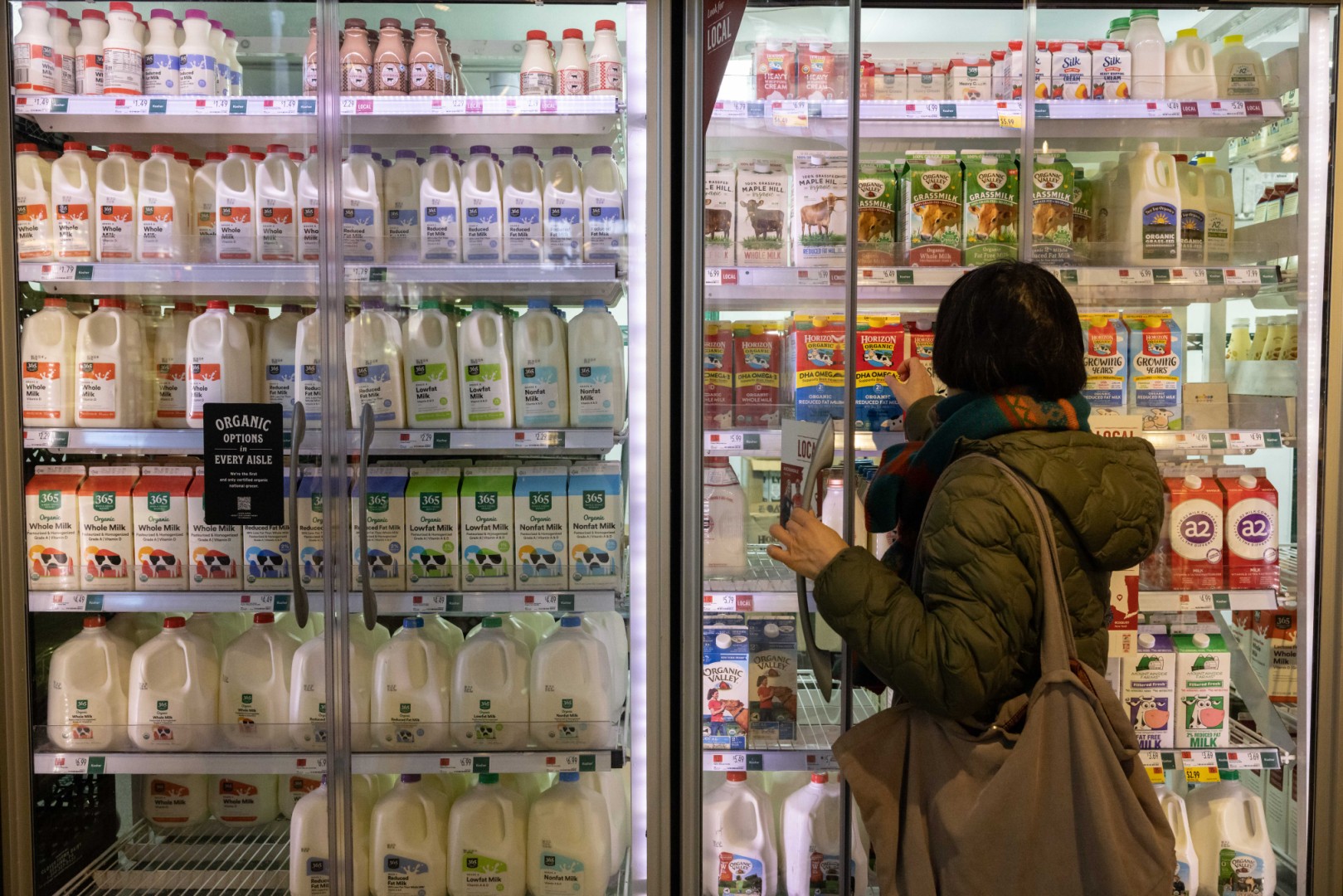
Most milk sold in grocery stores is supplemented with vitamin D using an ingredient that is also found in some rat poisons, but the addition does not make the beverage dangerous for humans, as claimed in posts across social media. The poisons deployed to exterminate rodents use a high level of vitamin D that experts said is not comparable to the lower amount found in fortified milk.
"Over 98% of the milk sold in grocery stores is fortified with vitamin D. The vitamin D they use is called cholecalciferol. Cholecalciferol is RAT POISON!" says a May 16, 2026 Facebook post from David Wolfe, an American author and raw food advocate who has previously spread misinformation fact-checked by AFP.
The same screenshot of a May 15 X post spread rapidly across Facebook, Instagram, X and Threads.

Vitamin D is a nutrient that helps the body absorb calcium to grow bones and can be produced during exposure to sunlight or ingested via foods, such as fish or milk (archived here).
Canada requires milk to be fortified with vitamin D, and most milk in the United States adds vitamin D3, also called cholecalciferol, to supplement deficiencies that can occur in climates with less sun (archived here and here).
But the online posts equating milk fortified with vitamin D to rat poison are unsupported.
"It's a ridiculous claim," said David Juurlink, a medical toxicologist at the University of Toronto (archived here).
Juurlink told AFP in a May 25 interview that the amount of vitamin D in fortified milk is not dangerous to humans.
Vitamin D toxicity in humans can occur, but typically only from high consumption of supplements, not the lower levels of the nutrient found in food or fortified milk (archived here). A human would have to drink 30 liters (7.9 gallons) of fortified milk a day to ingest a toxic dose of vitamin D, Juurlink said.
Some rat poisons use large amounts of vitamin D3, which works to kill the animals by raising their blood calcium to lethal levels (archived here).
But the significant discrepancy in size between humans and rats means that the vitamin D dose in the traps are more often harmful to dogs, cats and small children than adults (archived here and here).
"The differences are the doses," said Brenda Hartman, an associate professor of nutritional sciences at Western University, in a May 25 email (archived here).
Hartman and Juurlink both pointed out there is a "Tolerable Upper Intake Level" for vitamin D -- as with other ingredients, such as salt or vitamin A -- that can be harmful to humans when exceeded (archived here).
Juurlink compared the fortification of milk to the practice of fortifying flour with folic acid, a synthetic form of vitamin B. AFP has previously debunked misleading claims about folic acid fortification.
Read more of AFP's reporting on health misinformation here.
Copyright © AFP 2017-2026. Any commercial use of this content requires a subscription. Click here to find out more.
Is there content that you would like AFP to fact-check? Get in touch.
Contact us