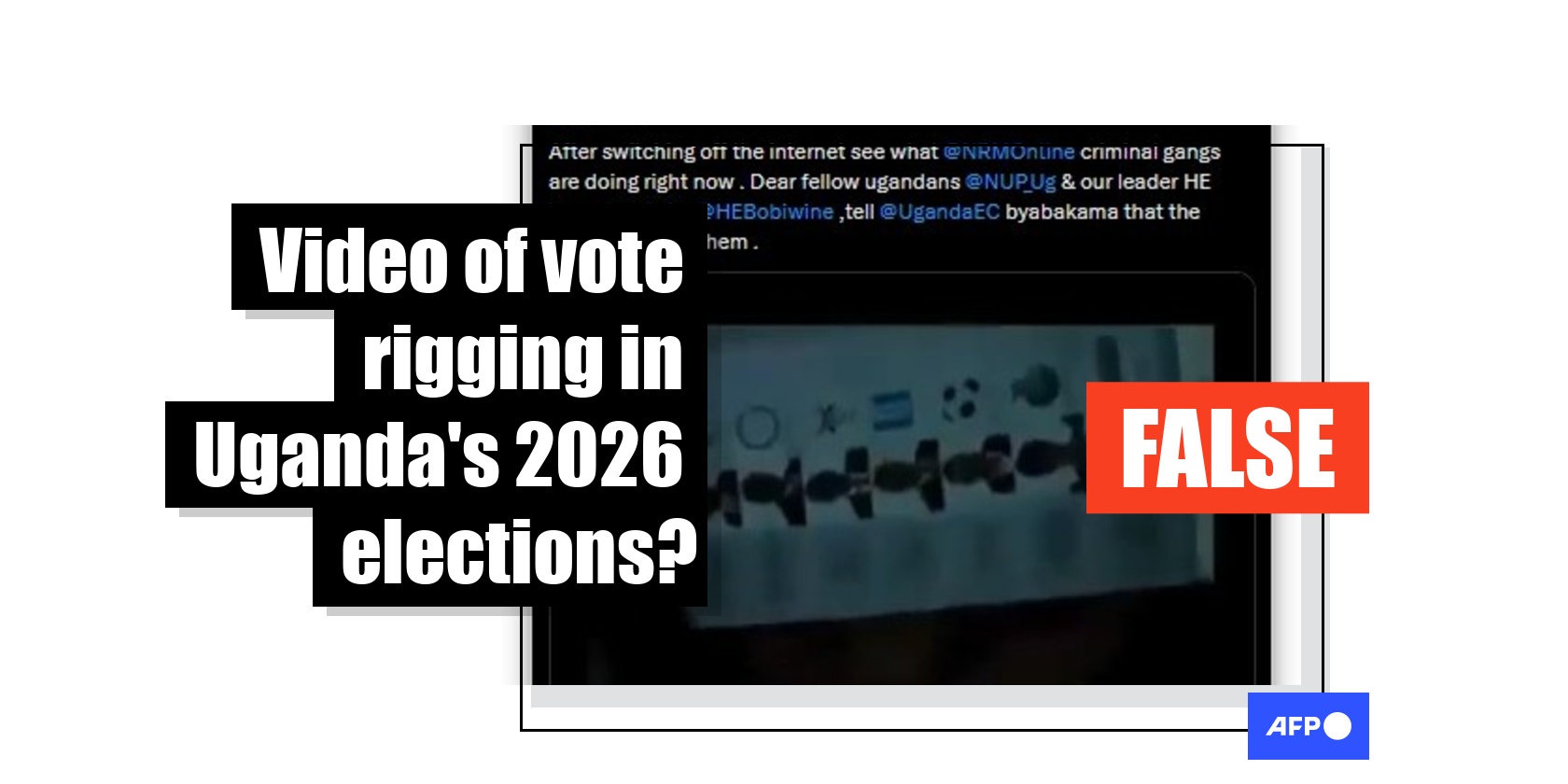
Old ballot footage reused to claim fraud in Uganda’s 2026 vote
- Published on January 20, 2026 at 11:41
- 3 min read
- By Tendai DUBE, AFP South Africa
As an internet blackout was imposed in the days leading up to Uganda’s January 2026 elections, a video circulating on social media purported to show vote rigging in favour of President Yoweri Museveni. However, this is false; the ballots in the video are from the 2016 polls.
“After switching off the internet see what @NRMOnline criminal gangs are doing right now. Dear fellow ugandans @NUP_Ug & our leader HE kyagulanyi aka @HEBobiwine, tell @UgandaEC byabakama that the world is seeing them,” reads an X post published on January 13, 2026.
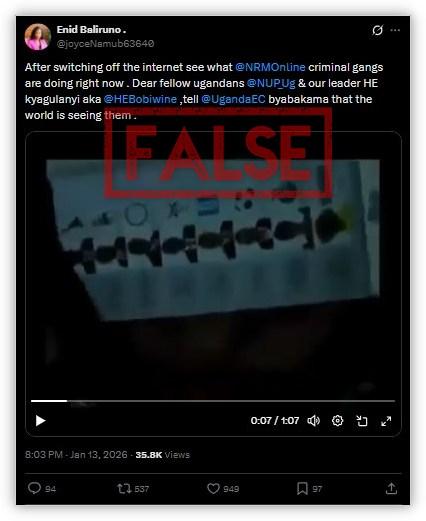
The post tags Museveni’s ruling party, the National Resistance Movement (NRM), and his main challenger, Bobi Wine, who leads the National Unity Platform (NUP).
It also mentions, Simon Byabakama, the country's Electoral Commission chairperson.
Shared more than 500 times, the post includes a 90-second clip that shows a person flipping through a stack of ballot papers and appearing to vote for the same candidate at the bottom of each page.
A review of the X poster's account shows that it is pro-NUP.
The same clip was also shared in another X post and on Facebook.
2026 polls
Polling day in Uganda was marred by technical problems after biometric machines -- used to confirm voters’ identities -- malfunctioned and ballot papers were undelivered for several hours in many areas (archived here).
Museveni, who has ruled Uganda since 1986, was accused of “brutal repression” of the opposition in the run-up to the vote, and his government imposed an internet blackout (archived here).
Wine was put under house arrest a day after the elections, which Museveni went on to win, albeit under a cloud (archived here).
However, the video does not show evidence of fraud during Uganda’s 2026 election.
2016 video
AFP Fact Check used InVID-WeVerify to conduct reverse image searches on keyframes from the video.
The results led to several social media posts featuring the same video published in 2016 (archived here).
"Good morning Ugandans, check out some of the evidence awaiting submission at the supreme court," reads one such post shared on Facebook.
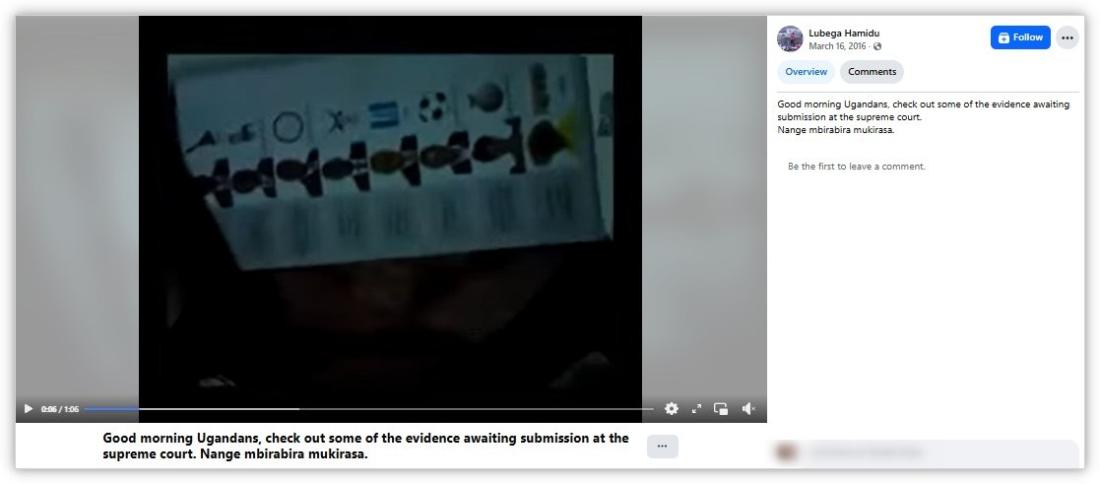
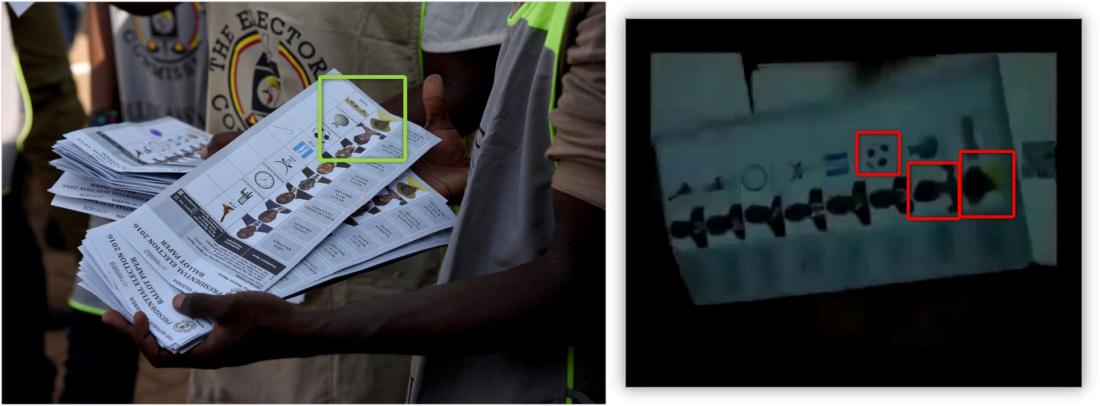
A keyword search for the 2016 Ugandan presidential ballot found images of the same voting paper on photo stock site Alamy, with Museveni in yellow at the bottom of the page (archived here).
Additionally, the positions of the soccer ball for the independent candidate, Mabirizi Joseph, and the vase for the independent candidate, Maureen Kyalya Waluube, are a match.
A search of the AFP archives also confirmed that these were ballots from the 2016 Ugandan elections.
“Electoral commission presiding officers count ballot papers in Kampala on February 18, 2016, during presidential and parliamentary elections,” reads the caption of an AFP photograph.
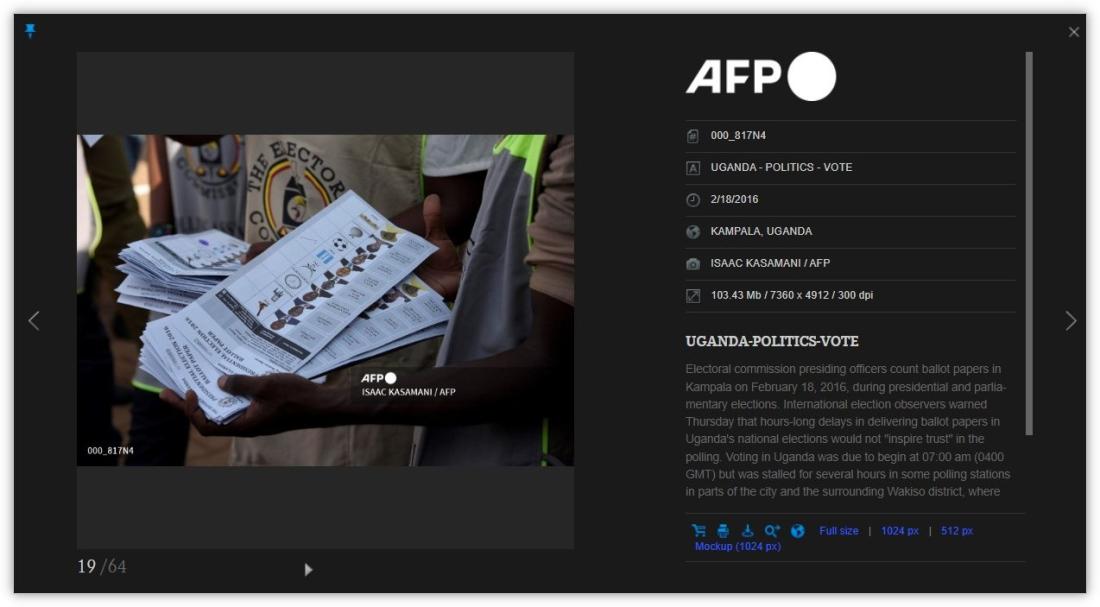
Comparisons between the AFP image and the footage in the video also show an exact match.
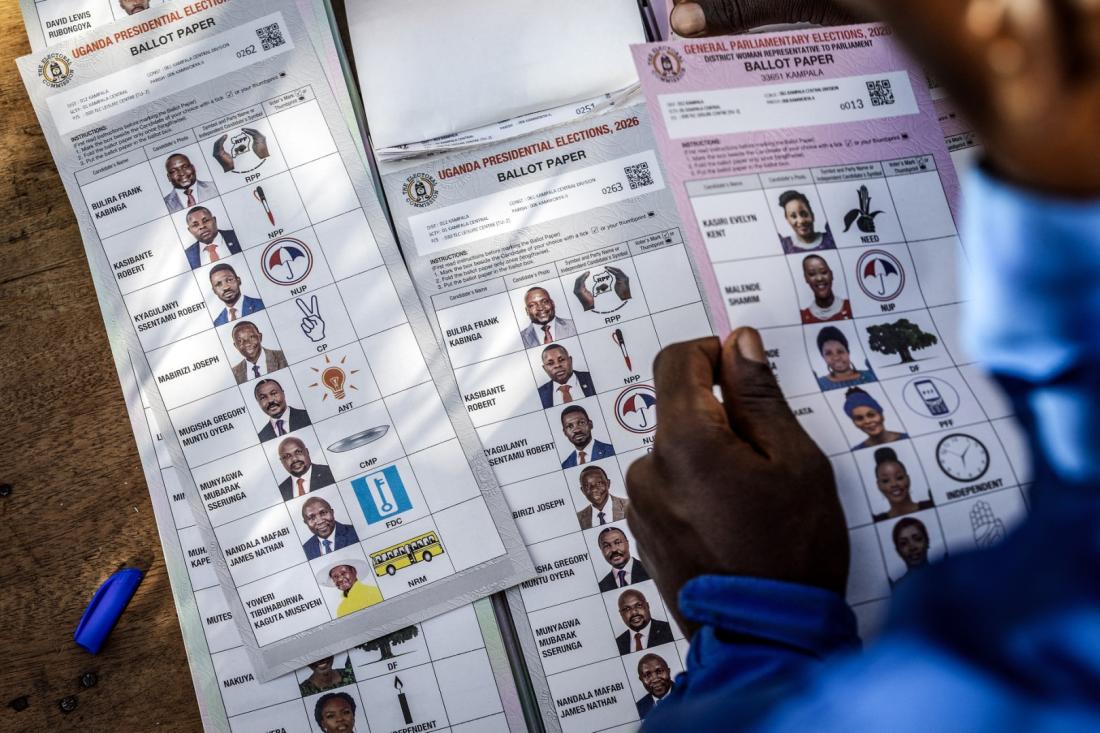
Furthermore, the 2016 election featured Waluube (here and here) as the only woman presidential candidate, while there were none in 2026 (archived here and here).
In his victory speech on January 18, 2026, Museveni said Wine's party had planned to attack polling stations in areas where they were losing, calling them “terrorists" (archived here).
Copyright © AFP 2017-2026. Any commercial use of this content requires a subscription. Click here to find out more.
Is there content that you would like AFP to fact-check? Get in touch.
Contact us