Fact-checking Trump's 2026 State of the Union
- Published on February 25, 2026 at 23:40
- 4 min read
- By Marisha GOLDHAMER, Manon JACOB, AFP USA
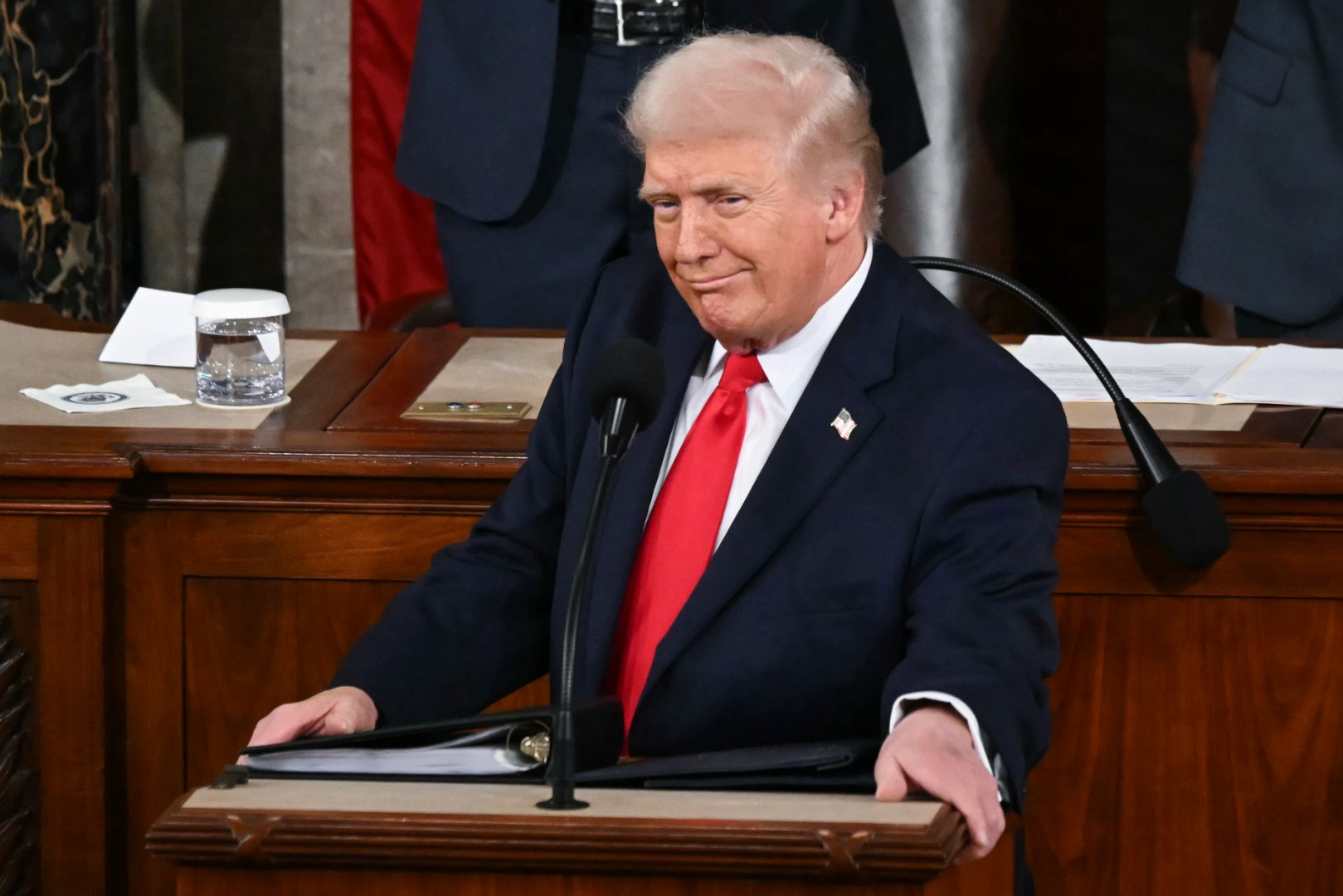
For the first State of the Union address of his second term, US President Donald Trump sought to paint a rosy picture of his divisive tenure, declaring America was "bigger, better, richer and stronger than ever before." While the Republican president largely struck a measured tone, he exaggerated economic achievements and repeated long-debunked falsehoods about non-citizen voting.
AFP fact-checked several key claims in Trump's February 24, 2026 address.
Economy
Trump told the nation that inflation and prices were "plummeting" (archived here and here). But the claims are misconstrued, experts told AFP.
While the Federal Reserve's latest data confirms a modest decrease compared to a year ago, this rate remains well above the two percent target optimal for the country's employment and price stability (archived here and here), Brookings Institution tax and budget policy research fellow, Jessica Riedl said (archived here).
"President Trump falsely claims that prices are falling," she told AFP February 25 but "his own administration's data show that overall prices have jumped 2.4 percent in the past year," including an increase in food and electricity costs.
Dean Baker, an economist at the Center for Economic and Policy Research, said that shortly after Trump's election, inflation began to rise as people purchased durable goods, such as cars and appliances, "before they got hit by tariffs" (archived here).
He told AFP on February 25 that while the cost of some items have fallen -- notably eggs, as highlighted by Trump in his speech -- "pretty much everything else is rising in price," especially surging healthcare costs (archived here).
"There was some drop in gas prices" but he said that continued a trend seen under former president Joe Biden.
The cost of groceries remains steep for a majority of Americans, who are turning to warehouse stores as they tighten their budgets. Beef and veal prices increased 15 percent year-on-year in January while ground beef prices, which hit a new high in December 2025, have continued climbing.
Dana M. Peterson, chief economist at non-profit research center The Conference Board, concurred (archived here). Some pantry items such as eggs may have slightly decreased over the last 12 months but "the price is still a heck of a lot higher than what people are used to paying for."
"That's what consumers feel when they go to the grocery store," she told AFP on February 25, and on top of that, "prices for imported goods are rising" with "strong evidence in the federal data" showing Trump's tariffs are driving these costs.
While middle income households are not doing as poorly as the lowest income populations, says Oxford Economics lead US economist Bernard Yaros (archived here), the two groups nonetheless feel the pressure of a "fragile" job market and rents that remain high.
The average-earning American did not gain as much as the "top 20 percent of income distribution who has really benefited from sizable stock market gains," he told AFP on February 25.
Prescription drugs
Trump told the country: "I'm also ending the wildly inflated cost of prescription drugs like it's never happened before" (archived here).
He referenced his May 2025 executive order promising "to bring prices for American patients in line with comparably developed nations" (archived here) and went on to tout purported savings of "300, 400, 500, 600 percent" available via the recently launched TrumpRx.gov platform.
Price drops of those percentages would mean the drugs are available for free, which they are not.
The savings are also only available to patients who are not using insurance and can pay cash.
An analysis by the nonprofit health policy research and polling organization KFF (archived here) found that as of February 20, 2026 just 43 different prescription medications are listed on TrumpRx. Additionally, discounts -- as well as cheaper generic alternatives -- for some of these drugs already existed through the manufacturers or GoodRx.
Polling data from KFF found 21 percent of US adults in January 2026 say they have not filled a prescription because of the cost (archived here), but it cautioned that consumers will need to carefully evaluate prices under the new program.
"In some cases, TrumpRx advertisement for these discounted brand-name prescription drugs could have the potential to mislead patients into paying more out-of-pocket than they would if they used their insurance and/or purchased a generic alternative," the report authors wrote.
Immigration
One of Trump's initial executive orders focused on immigration and securing the border (archived here).
In his speech Trump claimed: "In the past nine months, zero illegal aliens have been admitted to the United States" (archived here).
This echoes figures touted by Homeland Security Secretary Kristi Noem (archived here) on February 4, 2026 to reflect the Trump administration's refusal to release migrants into the United States on parole while they wait for legal proceedings. This permission was granted for humanitarian reasons under previous administrations (archived here).
US Customs and Border Protection has reported consistently falling numbers of encounters and apprehensions along the southwest border, contrasting the figures with records after Biden took office (archived here). But the number has never reached zero.
Election integrity
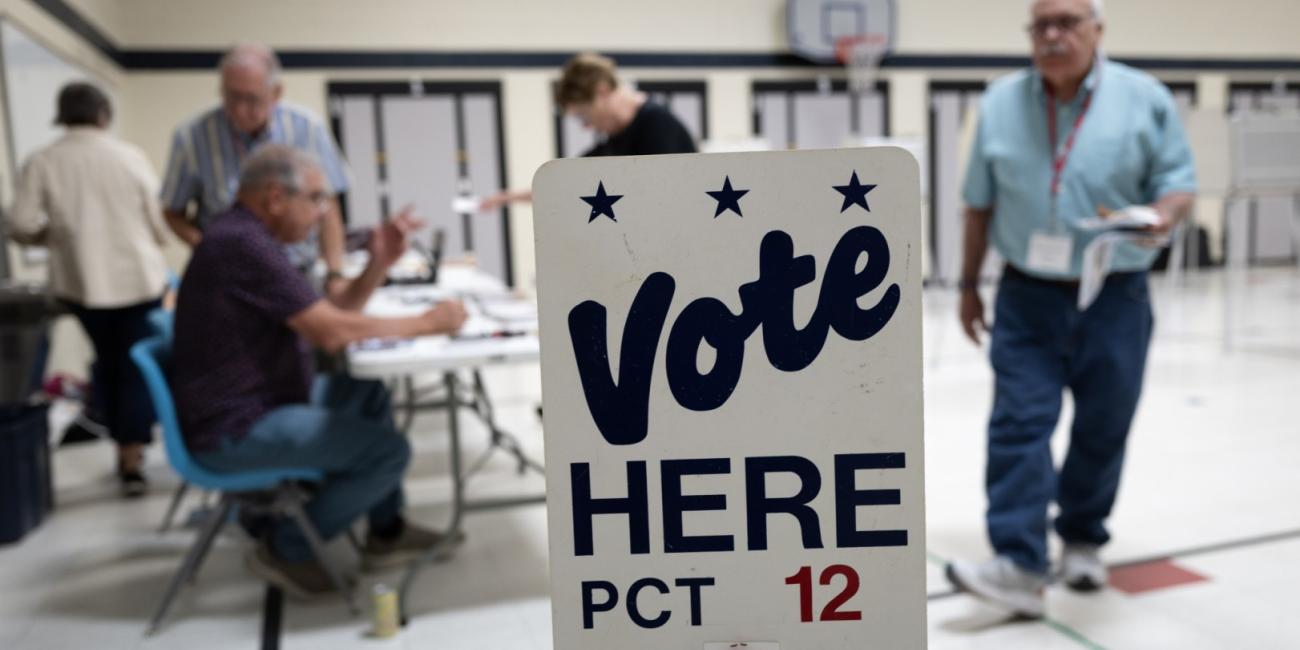
About an hour into the speech, Trump revived his long-held, debunked position that "rampant" cheating exists in the American electoral system (archived here).
Since the 2020 election, AFP has reported extensively on the lack of evidence of widespread election fraud.
But Trump is backing legislation to toughen rules for voting in federal elections.
He told members of Congress: "I'm asking you to approve the 'Save America Act' to stop illegal aliens and others who are unpermitted persons from voting in our sacred American elections," referring to the Safeguard American Voter Eligibility or SAVE Act.
Non-citizens already face fines, prison sentences and risk deportation for illegally registering or voting and AFP has repeatedly debunked claims in both English and Spanish that non-citizens can vote in federal elections.
Nevertheless, Republican lawmakers are pushing for new rules with the bill awaiting a vote in the Senate. If passed, it would require individuals to provide documentary proof of US citizenship when registering to vote and to provide photo identification to cast a ballot in federal elections (archived here).
Opponents of the bill argue that many eligible voters do not have easy access to the documents needed to prove citizenship (archived here). The bill also fails to provide states with funding to help implement the new restrictions (archived here).
Other experts say the measure is not needed as evidence of non-citizens voting is sparse (archived here and here).
The Bipartisan Policy Center reviewed investigations and found "no evidence that non-citizen voting has ever been significant enough to impact an election’s outcome" (archived here).
Trump also wants to limit access to mail ballots, despite research finding that absentee voting expands access and is not associated with widespread fraud (archived here).
Read more of AFP's reporting on misinformation about US politics here.
Copyright © AFP 2017-2026. Any commercial use of this content requires a subscription. Click here to find out more.
Is there content that you would like AFP to fact-check? Get in touch.
Contact us