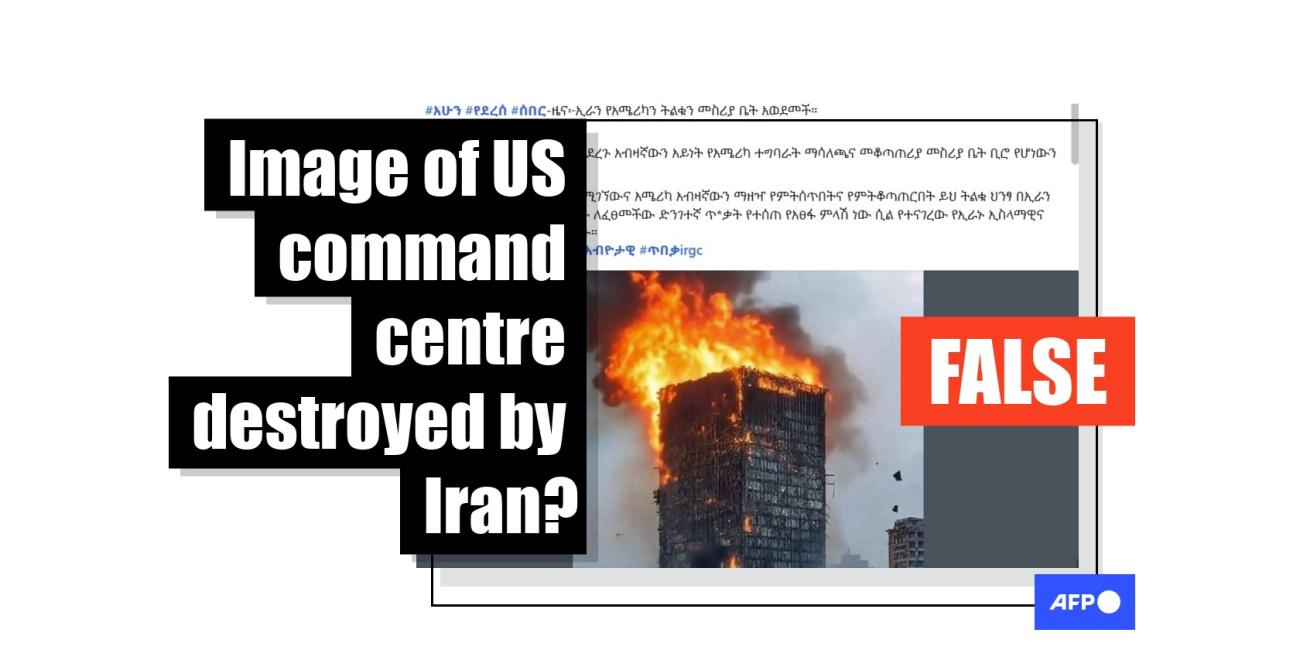
AI-generated memorial posters circulate after fatal South African school bus accident
- Published on January 30, 2026 at 09:51
- 2 min read
- By Tendai DUBE, AFP South Africa
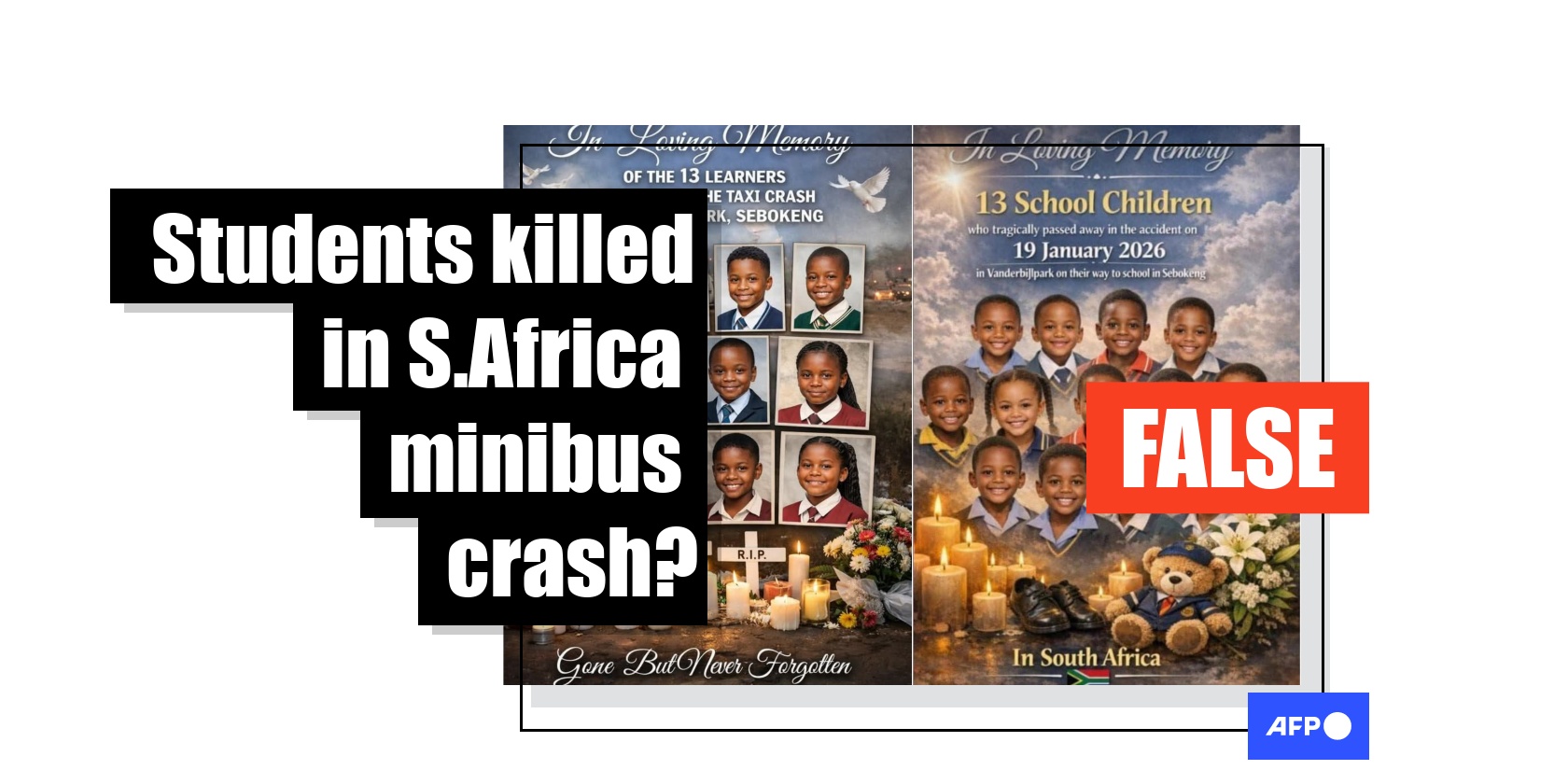
More than a dozen pupils travelling to school in a minibus died in a collision with a truck in South Africa shortly after the academic year began in mid-January. On the day of the crash, posters circulated online purporting to show each of the victims, even though authorities had not released their identities and pictures. AFP Fact Check confirmed the graphics were created with AI tools.
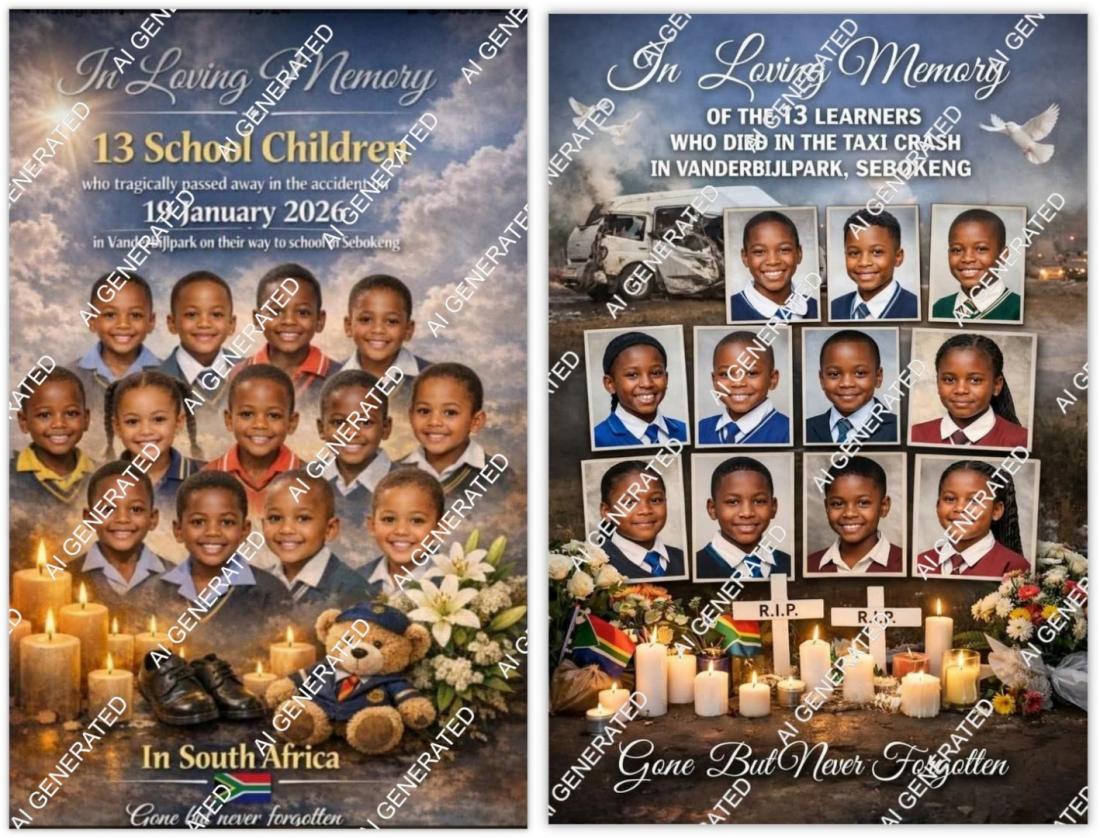
“In loving memory 13 School Children who tragically passed away in the accident on 19 January 2026 in Vanderbijlpark on their way to school in Sebokeng (sic),” reads a graphic published on Facebook on the same day.
A variation of the digital poster also circulated online.
Both show the faces of the alleged victims, who are wearing different school uniforms, surrounded by images of candles, flowers and white crosses marked “RIP”.
The posters were shared thousands of times on Facebook, X and TikTok.
The crash on January 19, 2026, involved a minibus transporting children to school. The vehicle collided with a truck near the industrial city of Vanderbijlpark, south of Johannesburg. Initial reports indicated 13 fatalities, a figure that was later revised to 12, and then 14, after two pupils in hospital died a few days later (archived here).
According to the police, the minibus driver appeared to have lost control while attempting to overtake other vehicles.
However, the posters announcing planned memorials for the children who died were fabricated.
AI-generated
A day after the crash, the Gauteng education department criticised social media users for sharing AI-generated graphics claiming to depict the accident victims (archived here).
“They are generating posters utilising AI. Meanwhile, families are grieving,” said Steve Mabona, the provincial department’s spokesperson, calling it “unfortunate that some people will just sit somewhere in a corner and produce such graphics”.
On January 21, 2025, the department published the names and photos of the victims on Facebook (archived here).
“You were the future of our province. Your dreams, smiles, and potential will forever remain part of our collective memory. You will always be remembered, honoured, and loved,” the post reads in part.
None of the photos released by the department match those in either of the so-called memorial graphics, which depicted all the victims as primary school children when, in fact, there were older pupils among the deceased.
In the fake posters, the victims' faces also bear an eerie resemblance to one another, a common indicator of AI-generated imagery.
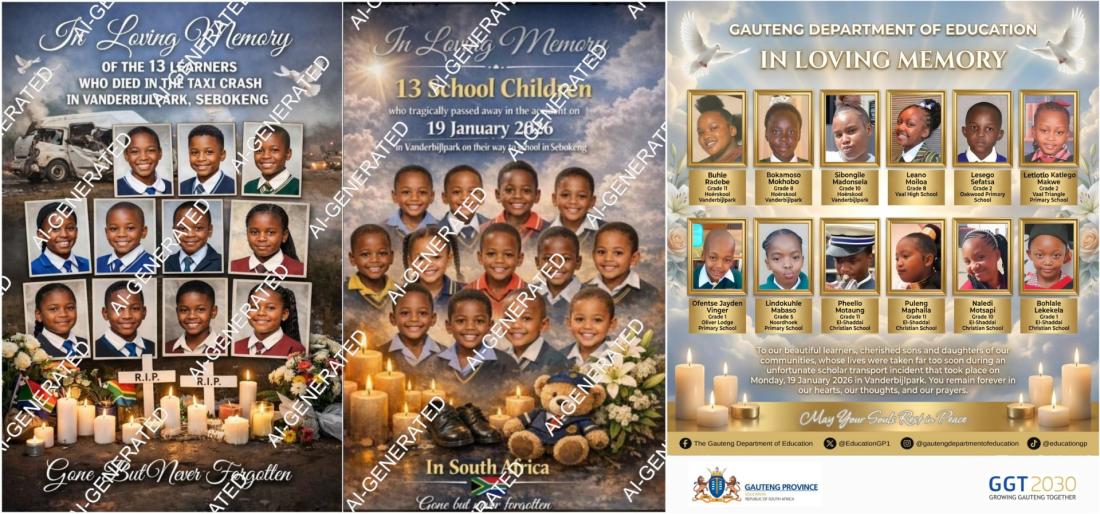
Further analyses of both posters using the AI detection tool Hive Moderation found a likelihood of 99.9 percent that the graphics were generated with AI.

A memorial service was held on January 23, 2026, by which time two more children had succumbed to their injuries, bringing the death toll to 14 (archived here).
Consequently, the education department updated the official graphic (archived here).
Due to limited public transport, many South African parents rely on private minibuses to transport their children to school.
According to the transport ministry, more than 11,400 people lost their lives on South African roads in 2025 (archived here).
Copyright © AFP 2017-2026. Any commercial use of this content requires a subscription. Click here to find out more.
Is there content that you would like AFP to fact-check? Get in touch.
Contact us